
A roof leak rarely announces itself at a convenient time. Most homeowners notice a water stain on the ceiling during a downpour, or discover damp insulation weeks after the water first started getting in. By that point, damage has usually already spread well beyond the original entry point. Acting quickly when a leak appears, and understanding what caused it, is what separates a straightforward repair from a major remediation job.
Newcastle Tile and Metal Roofing provides leak detection and repair services for residential and commercial properties across Newcastle. We locate the source accurately, fix it properly, and advise you on whether any broader work is needed to prevent a recurrence. Call us on (02) 4071 6013 any time, including after hours via our 24/7 Emergency Repairs and Make Safes service.
The most important thing to understand about roof leaks is that water almost never enters and exits a roof at the same point. Once water breaches the outer surface of a roof, it follows the path of least resistance running along the underside of tiles, tracking down roof battens, pooling in the cavity, and eventually finding a gap in the ceiling lining. The drip or stain you see inside the house may be half a metre or more from where the water actually came in.
This is why a superficial inspection from below, or from a quick look across the roof surface, frequently fails to identify the true source. A thorough leak investigation requires methodical examination of the most common entry points on that specific roof type, combined with knowledge of how water behaves once it is inside the roof structure.
Common entry points that are frequently misidentified or missed include failed flashings around chimneys, skylights, and parapet walls; deteriorated valley gutters that allow water to back up under tiles in heavy rain; lifted or displaced ridge capping that lets water track down through the mortar bed; cracked or porous tiles that absorb and transmit moisture rather than shedding it cleanly; and perished sealants around roof penetrations such as plumbing vents, antennae brackets, and exhaust fans.
Each of these can produce ceiling staining in locations that seem unrelated to the actual fault, which is why diagnosis matters as much as the repair itself.
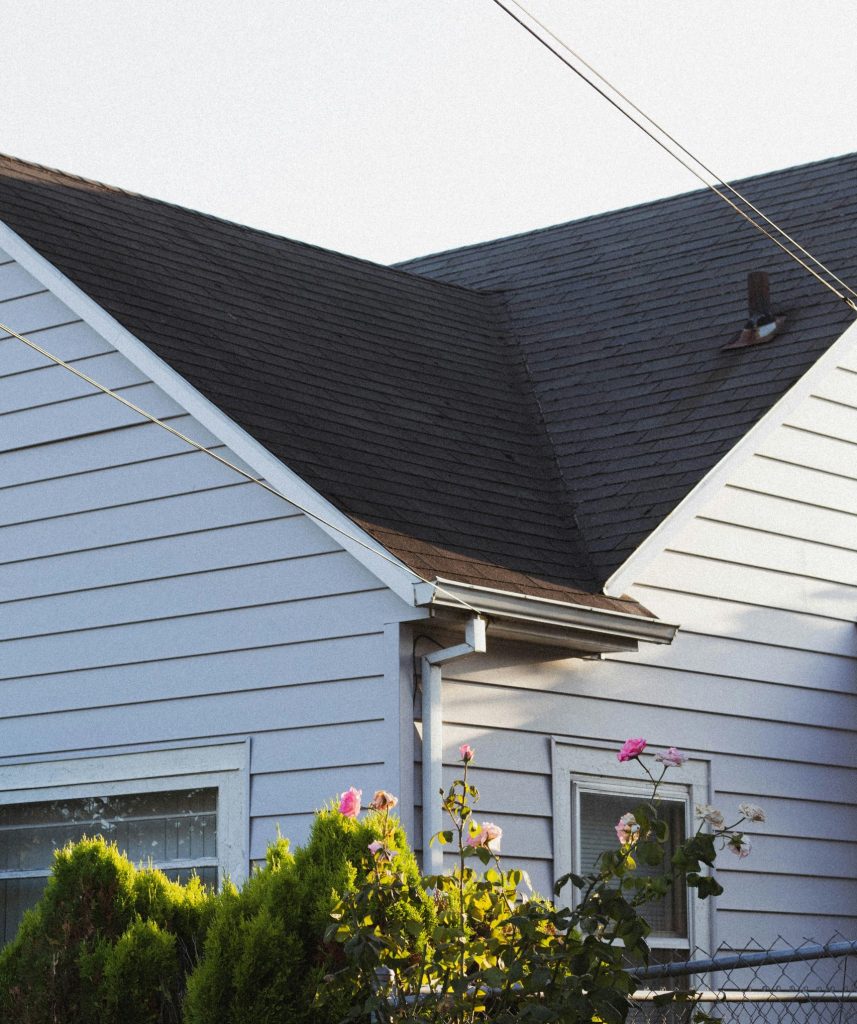

Newcastle’s weather patterns create specific conditions that drive the most common categories of roof leaks in the area.
Flashing failures are the single most frequent cause of chronic leaks on older roofs. Flashings seal the junction between the roof surface and any vertical element a wall, a chimney, a skylight frame, a parapet. When the sealant around a flashing breaks down or the metal itself corrodes and pulls away from the wall, water tracks directly into the roof cavity behind it. Our Metal Roofing and Flashings page covers flashing repair and replacement in detail.
Ridge capping deterioration is particularly common on homes built before the 1990s, where the mortar bed holding the caps in place has simply reached the end of its life. Gaps along the ridge line allow substantial water entry during heavy rain, and the water travels down through the roof structure before appearing on the ceiling. Our Ridge Capping Restoration page explains the re-bedding and repointing process.
Cracked or broken tiles allow direct water penetration, particularly on older terracotta roofs where tiles have become brittle with age. A single cracked tile may cause only minor ingress, but a pattern of deterioration across the roof surface indicates the tile system is approaching the end of its effective life.
Blocked or overflowing gutters cause water to back up against the fascia and eventually under the first row of tiles. This is a common source of leaks along the eave line and is often mistaken for a tile or flashing problem because the actual gutter overflow is not visible from inside the roof cavity.
Valley gutter failures occur when the metal or mortar valley that channels water down between two roof planes corrodes, cracks, or becomes blocked. In heavy rain, water can back up under the adjacent tiles and penetrate the ceiling below. Valley failures are particularly common after storm events that deposit large amounts of debris on the roof.
Condensation and inadequate ventilation can mimic a roof leak, producing water stains and wet insulation without any actual breach in the outer roof surface. This is worth considering if the staining appears after cold nights rather than during rain, and is more common in homes with insufficient roof ventilation.
Our leak investigation process is systematic rather than speculative. We do not start removing materials and hoping to find the source; we work through the most likely causes methodically based on the location of the symptoms, the age and type of the roof, and what we find during a close inspection of the roof surface.
Step 1 — Internal inspection. We begin by examining the ceiling stain or damp area from below. The location, shape, and extent of the staining provide useful information about the likely travel path of the water and help narrow down where on the roof the entry point may be.
Step 2 — Roof surface inspection. We carry out a thorough inspection of the roof surface, paying particular attention to flashings, valley gutters, ridge capping, and any roof penetrations. We look for physical damage, deteriorated sealants, lifted or cracked tiles, and corrosion in metal elements.
Step 3 — Roof cavity inspection where accessible. On roofs with accessible ceiling cavities, inspecting from within the cavity after rain, or using a torch and moisture meter during dry conditions, can reveal where water is entering the structure and confirm the travel path between entry point and stain.
Step 4 — Water testing if the source remains unclear. On complex roofs where the source cannot be confidently identified through visual inspection, controlled water testing — systematically wetting sections of the roof from the hose and observing where water appears inside — can confirm the exact location of the breach.
Step 5 — Repair and follow-up. Once the source is confirmed, we carry out the appropriate repair, whether that is a targeted roof repair, a flashing replacement, repointing of the ridge, or a combination of measures. We advise you if the inspection has revealed broader issues that may cause future leaks, so you can make an informed decision about any additional work.
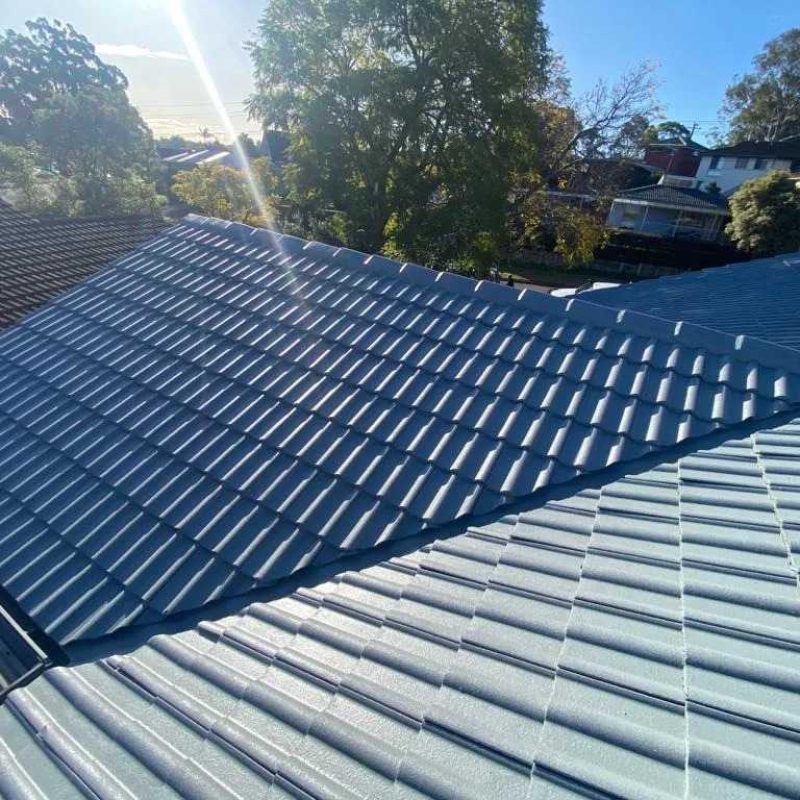
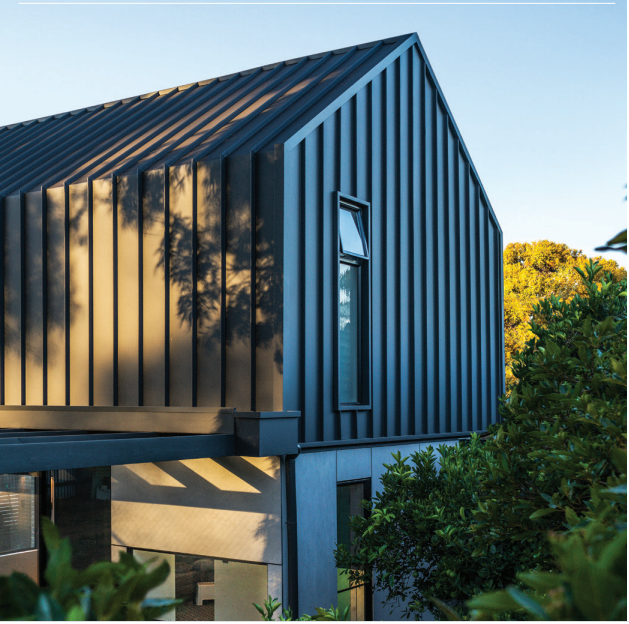
Most roof leaks are isolated faults that a targeted repair will resolve permanently. But some leaks are symptomatic of more widespread deterioration that a single repair will not address for long. Knowing the difference before committing to repair or restoration expenditure is important, and an honest assessment is something we provide as a matter of course.
A leak caused by a single cracked tile on an otherwise sound roof is a repair job. A roof where multiple tiles are cracking, the sarking is deteriorating, and flashing sealants are failing across multiple locations is telling you that the system as a whole is reaching the end of its life. In that situation, repeated individual repairs will keep pace with the deterioration for a while, but a roof restoration or roof replacement will ultimately be more cost-effective than an ongoing cycle of fixes.
We will tell you honestly which situation your roof falls into after the inspection. If a repair will solve the problem and the rest of the roof is in reasonable shape, we will say so. If the leak is an indicator of broader deterioration, we will explain the evidence and give you options so you can decide how to proceed.
For a proactive approach that reduces the likelihood of leaks developing in the first place, our Roof Maintenance service provides regular inspections and early intervention before small issues become leaks.
My ceiling is staining but I can only see it after heavy rain. Is that still a leak?
Yes. Leaks that only become visible after significant rainfall are very common and often indicate a small breach that is allowing limited water entry that only accumulates to a visible level during prolonged or intense rain. These leaks tend to worsen over time as the entry point enlarges, so early investigation is worthwhile even if the staining seems minor.
How do I know if the water is coming through the roof or is a plumbing or condensation issue?
Roof leaks typically correlate with rainfall events and produce staining in irregular shapes that follow the flow of water. Plumbing leaks are usually localised directly below a pipe or fixture and may occur independent of weather. Condensation tends to appear in cold weather rather than during rain and is often more widespread or diffuse. If there is any doubt, a professional inspection will distinguish between the causes.
Can a roofer fix a leak on the same visit as the inspection?
In many cases, yes. If the source is straightforward to identify and the repair is within the scope of a standard call-out, we will carry out the fix during the same visit. For more complex faults, or where the source requires extended investigation or significant materials, we will provide a written scope and quote before scheduling the repair work.
What should I do to minimise damage while waiting for the roofer?
Place buckets or containers to catch dripping water and protect furnishings and flooring in the affected area. Do not attempt to go onto the roof yourself, particularly during or after rain when surfaces are slippery. If the leak is severe and the property is at risk of significant water damage, call our 24/7 Emergency line for an urgent response.
The same spot has leaked twice before and been repaired. Why does it keep coming back?
Recurring leaks at the same location usually mean the underlying cause was not fully resolved on previous visits, or that a broader deterioration issue is continuing to manifest at the weakest point. It is worth having a more comprehensive inspection of that section of the roof to determine whether a different repair approach or a broader remediation scope is needed. Our Restoration and Remediation service may be relevant if the recurrence points to systemic issues.
Does a roof leak affect my home insurance?
Most home insurance policies cover sudden and unforeseen damage, such as a storm causing a tile to crack and allowing water in. Gradual deterioration, lack of maintenance, or pre-existing faults are generally excluded. If you are making a claim related to a roof leak, we can provide written reports and photographic documentation to support the process.
Do not wait for the next rain event to confirm it is getting worse. Call Newcastle Tile and Metal Roofing on (02) 4071 6013 to arrange an inspection, or visit our Contact Us page to request a callback. We are available Monday to Sunday, 24 hours a day.

Opening Hours: Monday to Sunday – 24 hours