There comes a point in every roof’s life where repairs and restoration are no longer the right answer. When the underlying structure has been compromised by years of water ingress, when tiles are failing faster than they can be replaced, or when the cost of getting a deteriorated roof back to a serviceable condition exceeds the value of doing so, a full roof replacement is the most sensible path forward. It is a significant investment, but it is also the one that sets the property up with a roof that requires nothing substantial for the next thirty or more years.
Newcastle Tile and Metal Roofing manages full roof replacement projects across Newcastle and the surrounding region, for both residential and commercial properties. We provide honest assessments, clear quotes, and quality installations using materials suited to the Newcastle climate. Call us on (02) 4071 6013 to arrange a free inspection and replacement quote.
Roof replacement is not the default recommendation. For most faults, targeted roof repairs or a restoration and remediation programme will extend the roof’s life at a fraction of the cost of replacement. But there are clear situations where replacement is genuinely the better choice, and recognising them early prevents money from being spent on work that will not deliver lasting value.
Widespread structural deterioration. When roof battens have rotted from prolonged water exposure, when the sarking has broken down across large sections of the roof, or when timber structural members have been weakened by moisture, surface repairs cannot address the underlying problem. The replacement process allows these structural elements to be assessed and renewed alongside the roofing material.
Tile systems past serviceable life. Concrete tiles typically have a serviceable life of around forty to fifty years before the surface coating breaks down and the tile itself becomes porous and brittle. At this stage, cracking becomes widespread, moss and lichen growth accelerates, and repairs become a cycle of fixing individual tiles while the rest of the roof continues to deteriorate. A full replacement at this point costs less over a ten-year horizon than the cumulative cost of ongoing repair work.
Major storm or impact damage. In cases where a severe weather event has caused damage across a large proportion of the roof surface, replacement may be more cost-effective than repairing each affected section individually. Insurance assessors will often reach the same conclusion after a significant hail event.
A roof that has been repeatedly repaired without lasting results. If the same sections of a roof have been repaired multiple times without achieving a durable outcome, the underlying condition of the roof is likely the cause. Continuing to repair a roof in this state produces diminishing returns, and replacement becomes the more economical long-term decision.
If you are not sure whether your roof needs replacement or whether restoration or repair is still a viable path, our inspection process will give you a clear and honest answer. We have no interest in recommending replacement where it is not necessary, and we will tell you if there are less expensive options that will genuinely solve the problem.
One of the most significant decisions in a roof replacement project is the choice of roofing material. Each system has genuine advantages and some limitations, and the right choice depends on the property’s structure, its location within the Newcastle region, the budget, and the owner’s priorities.
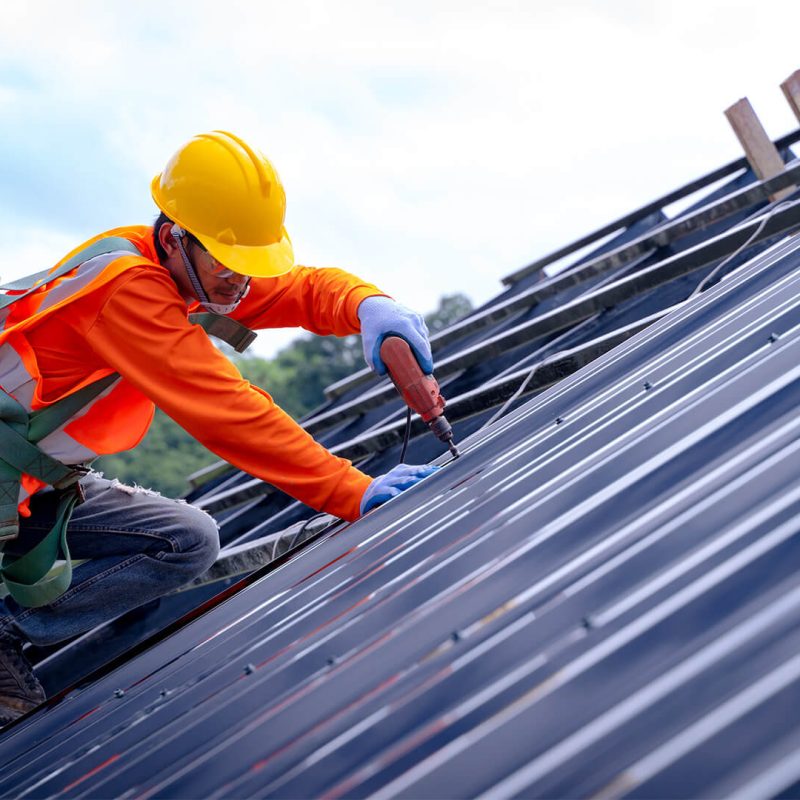
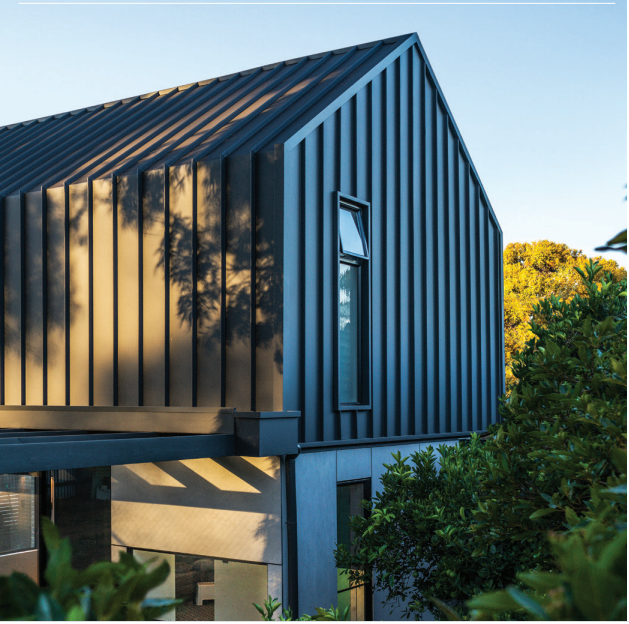
Colorbond steel is the most popular replacement choice for Newcastle homeowners today, and for good reason. It is lightweight, which reduces the load on the roof structure and makes it suitable for older homes where adding more weight would be a concern. It sheds water rapidly, performs well in the coastal salt environment when correctly specified, and comes in a wide range of profiles and colours. Colorbond carries a long manufacturer warranty and requires minimal maintenance beyond periodic cleaning and inspection. Our Metal Roofing and Flashings page covers metal roofing in more detail.
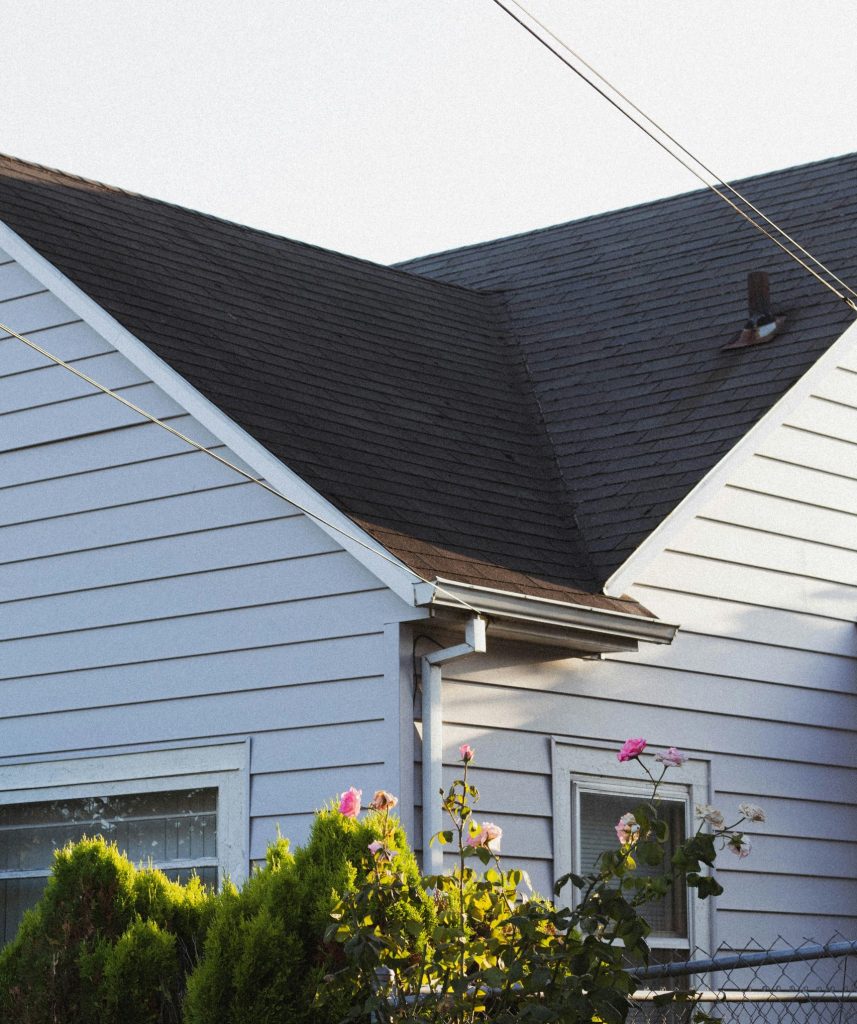
Concrete tiles remain a solid choice for replacement roofs where the structural load capacity is adequate and the owner prefers the traditional aesthetic of a tile roof. Modern concrete tiles perform better than their predecessors from thirty or forty years ago, with improved surface coatings and more consistent manufacturing tolerances. They are heavier than metal, which is a structural consideration, and they do require periodic maintenance including ridge capping attention and surface treatments over time.
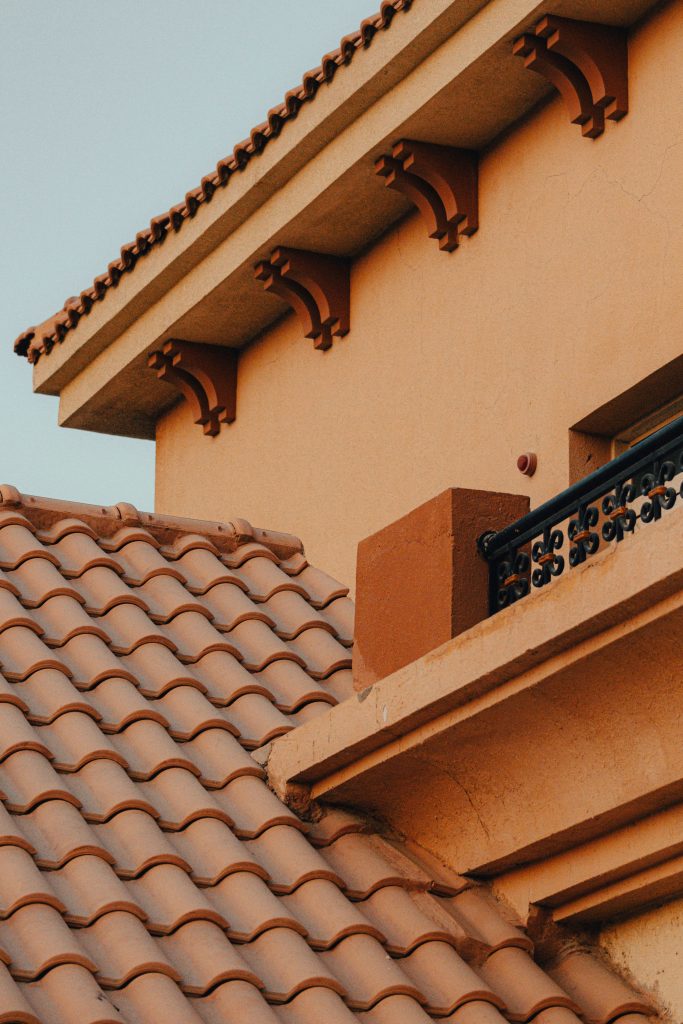
Terracotta tiles are a premium option with exceptional longevity. High-quality terracotta can last well over a century with appropriate maintenance. They are significantly heavier than concrete tiles and require a roof structure engineered to handle the load, but for properties where the aesthetic is important and the structure is appropriate, terracotta is a genuine lifetime roofing solution.
Re-sheeting existing metal roofs. For properties with an existing metal roof that has corroded or been damaged beyond repair but has a sound underlying structure, re-sheeting replacing the metal sheets while retaining the existing battens and structure can be a cost-effective alternative to a full tear-off and replacement. We assess the existing structure as part of the quoting process to determine whether this approach is appropriate.
During the inspection and quoting process, we will discuss the options that suit your specific property, advise on any structural implications of material choice, and provide quotes for each relevant option so you can make an informed decision.
A roof replacement is a significant project, and understanding what is involved from inspection through to completion helps you plan accordingly and know what to expect at each stage.
Stage 1 — Inspection and structural assessment. Before any quote is finalised, we carry out a thorough inspection of the existing roof and the underlying structure. This includes assessing the condition of battens, sarking, fascia boards, and any structural timber or steel elements that will be accessible once the roof covering is removed. Identifying any structural work required at this stage allows it to be included in the project scope and costed upfront.
Stage 2 — Quote and material selection. Based on the inspection findings, we provide a detailed written quote covering all aspects of the project: removal and disposal of the existing roof, any structural repairs identified, supply and installation of the new roofing system, new flashings, ridge and hip capping, and guttering where required. We discuss material options and assist you in making a choice that suits the property and the budget.
Stage 3 — Scheduling and preparation. Roof replacement requires dry weather for the installation phase, particularly the period when the old roof has been removed and the new one is not yet fully weathertight. We schedule work with weather forecasts in mind and have contingency measures to protect the property in the event of unexpected rain.
Stage 4 — Removal of existing roof. The old roofing material is removed carefully, with debris managed to avoid damage to the property below. Gutters and downpipes may be temporarily removed and reinstated, or replaced as part of the project if they are due for renewal.
Stage 5 — Structural repairs and new sarking. Any batten, fascia, or structural repairs identified during the inspection are carried out before the new roofing material goes on. New roof sarking is installed to current standards, providing a secondary weatherproof barrier beneath the new roof covering.
Stage 6 — Installation of new roofing system. The new tiles or metal sheets are installed to manufacturer specifications and Australian Standards. New flashings are formed and installed at all junctions, new ridge and hip capping is bedded and pointed or fixed depending on the roof type, and all penetrations are properly sealed.
Stage 7 — Final inspection, guttering, and clean-up. A final inspection confirms the installation is complete and correctly executed. Gutters and downpipes are installed or reinstated. All debris is removed from the site and the property is left in clean condition. We provide documentation of the completed installation, including product and warranty details.

A roof replacement project is a meaningful investment, and there are a few considerations beyond the roofing itself that are worth factoring into your planning.
Gutters and downpipes. A roof replacement is the logical time to assess the condition of the guttering system. If gutters are corroded, undersized for the roof area, or incorrectly graded, replacing them as part of the roofing project is far more efficient than returning to the property later. We inspect and advise on guttering as a standard part of the quoting process.
Roof ventilation. A replacement project is also an opportunity to assess and improve roof cavity ventilation. Poor ventilation in the roof space accelerates deterioration of insulation, can contribute to condensation issues, and affects the thermal performance of the property. Installing appropriate ventilation during the replacement adds minimal cost at this stage compared to retrofitting it later.
Insulation. With the roof off, the ceiling insulation becomes accessible. If the existing insulation is aged, compressed, or inadequate, this is the most cost-effective point in the property’s life to upgrade it. We can coordinate this work as part of the replacement project.
Council requirements. Roof replacements in Newcastle may require a development application or complying development certificate depending on the scope of the work and the planning controls applying to the property. We advise on what is required for your specific situation during the quoting process.
For properties currently experiencing an urgent leak while a replacement is being planned, our 24/7 Emergency Repairs and Make Safes service can provide temporary stabilisation to protect the property in the interim.
How long does a roof replacement take?
For a typical residential roof in Newcastle, the removal and installation work generally takes between three and seven working days depending on the size of the roof, the material being installed, and the complexity of the roof shape. Roofs with multiple penetrations, complex hip and valley configurations, or significant structural repair work will take longer. We provide a realistic timeframe as part of the quote.
Do I need to move out during the replacement?
Most homeowners remain in the property throughout a roof replacement. The work is carried out externally, so interior disruption is minimal, though there will be noise and some vibration during removal and installation. The main practical concern is the period when the old roof is off and the new one is not yet fully in place, which is typically managed within a single working day for most residential projects. If extended exposure cannot be avoided due to project complexity, we will discuss this with you in advance.
Is replacing tiles with metal a good idea for my home?
Switching from a tile roof to a metal roof is one of the most common replacement decisions Newcastle homeowners make, and it is often a sound one. Metal is lighter, which reduces the structural load on older homes, and it performs well in Newcastle’s coastal and storm-prone conditions. The main consideration is the aesthetic change, which is significant on some home styles. We can provide examples of comparable properties and discuss the visual outcome before you commit. Our Metal Roofing and Flashings page has more detail on metal roofing systems.
Can I claim a roof replacement on home insurance?
Home insurance generally covers sudden and unforeseen damage rather than wear and deterioration. A roof that fails catastrophically following a storm event may be claimable, particularly if the roof was in reasonable condition prior to the event. A roof that has deteriorated gradually over many years is typically not covered. We can provide condition reports and documentation that accurately represent the state of the roof and the circumstances of failure, which assists in making or defending an insurance claim. Speak with your insurer about the specifics of your policy.
What warranty comes with a new roof?
Warranties vary depending on the material installed. Colorbond steel products from BlueScope carry manufacturer warranties of up to 36 years for the steel substrate in standard residential conditions, with separate warranty terms for the paint finish. Concrete and terracotta tiles carry their own manufacturer warranties. Our installation workmanship also carries a warranty. We provide full warranty documentation as part of the project handover so you have a clear record of what is covered and for how long.
What maintenance will a new roof need after installation?
A new roof requires significantly less maintenance than an aging one, but it is not entirely maintenance-free. We recommend an inspection every two years for the first decade, then annually as the roof matures. Gutters should be cleared seasonally in areas with tree coverage. After major storm events, a post-storm check is worthwhile to confirm no damage has occurred. Our Roof Maintenance service can be scheduled on a regular basis to keep the new roof performing as intended throughout its life.
Call Newcastle Tile and Metal Roofing on (02) 4071 6013 or visit our Contact Us page to arrange a free inspection and quote. We are available Monday to Sunday, 24 hours a day.
Opening Hours: Monday to Sunday – 24 hours