
A properly installed gutter system is one of the most important parts of protecting a home from water damage. Gutters are responsible for collecting rainfall from the roof surface, directing water away from walls and foundations, and helping prevent issues such as overflowing, leaks, erosion, and moisture damage around the property. For Newcastle homes exposed to coastal weather, heavy rainfall, and seasonal storms, having a reliable gutter system is essential.
Newcastle Tile and Metal Roofing provides professional gutter installation across Newcastle and the surrounding areas for tile and metal roof systems. Our roofing specialists understand that gutters are not simply a finishing detail they are a critical part of the complete roof drainage system. We install gutter solutions designed to suit the roof structure, rainfall conditions, and requirements of each property. Call us on (02) 4071 6013 for a free quote or consultation, or continue reading to learn more about gutter installation options and what the process involves.
Choosing the right gutter profile depends on the roof design, rainfall requirements, property style, and the amount of water the roof needs to manage. Modern gutter systems are available in several different profiles, materials, and capacities to suit both residential and commercial applications.
Quad gutters are one of the most common gutter styles installed across Australian homes. Their simple rectangular profile provides a clean appearance while offering effective water carrying capacity for most standard residential roofs. Quad gutters are available in a range of sizes and are commonly installed on both tile and metal roofing systems throughout Newcastle.
Colorbond steel gutters are a popular choice for homeowners looking for durability, strength, and a finish that matches modern Australian roofing materials. Manufactured from corrosion-resistant steel with a protective coating, Colorbond gutters are well suited to Newcastle’s coastal environment where exposure to moisture and salt air can affect inferior materials. They are available in a wide selection of colours to complement existing roof sheets, fascias, and external finishes.
Half-round gutters feature a curved design that provides excellent water flow and a traditional appearance. They are often chosen for heritage homes, architect-designed properties, or homeowners wanting a more decorative gutter profile. Their smooth internal shape also helps reduce the buildup of debris compared with some square-profile systems.
Box gutters are larger-capacity gutter systems designed for areas where significant volumes of water need to be managed. They are commonly found in modern architectural homes, extensions, and commercial applications where roof design requires integrated drainage solutions. Correct installation is particularly important with box gutters because poor falls, blocked outlets, or inadequate waterproofing can lead to serious water issues.
Gutter replacement and upgrades are often required when existing systems have reached the end of their service life. Rust, sagging sections, cracked joints, poor drainage, and repeated overflowing are signs that the current gutter system may no longer be performing correctly. During an inspection, we assess whether repairs are sufficient or whether a complete replacement provides the better long-term solution.
Every property has different drainage requirements. We inspect the roof area, existing downpipes, gutter condition, and water flow patterns before recommending the most suitable gutter system.
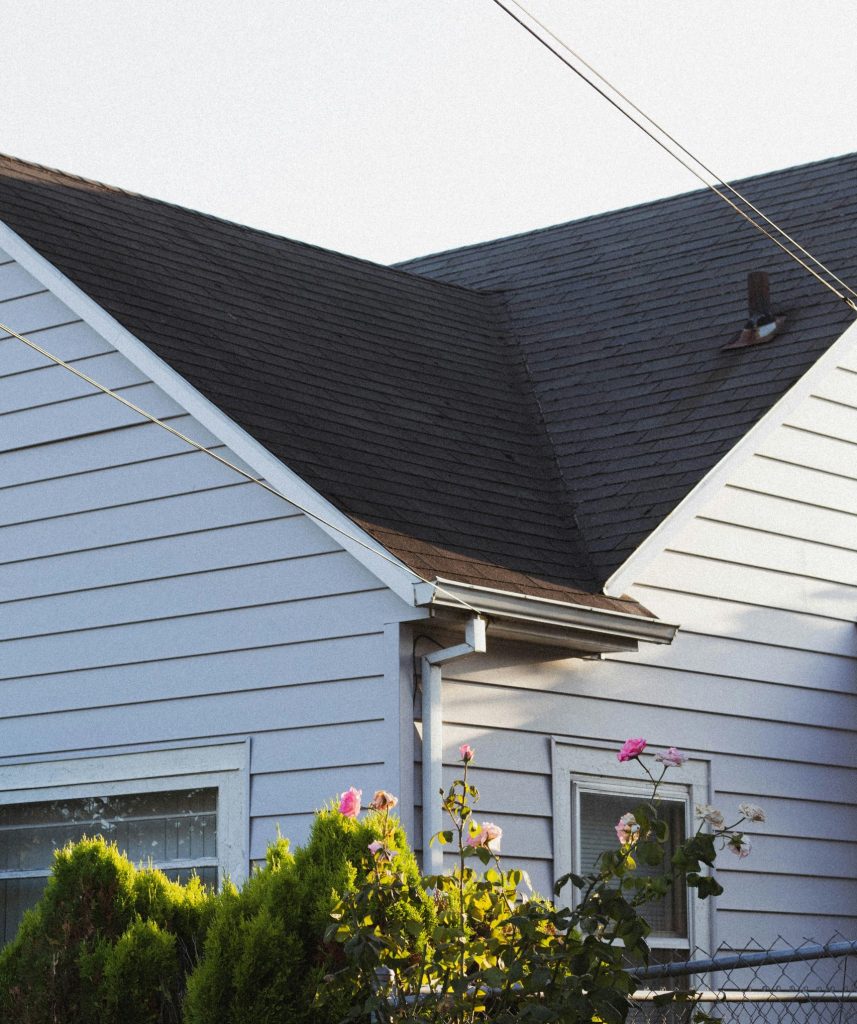

A gutter system only performs properly when it is installed correctly. Even high-quality gutters can fail if they are incorrectly positioned, poorly supported, or not matched to the roof’s drainage requirements.
The correct gutter installation process begins with establishing the appropriate fall. Gutters must have enough slope to allow water to flow consistently towards downpipes while avoiding excessive angles that affect appearance or create uneven drainage. A gutter that sits incorrectly can cause standing water, debris accumulation, and premature deterioration.
Proper fixing and support are also essential. Gutters must be securely attached to the fascia or supporting structure using suitable brackets and spacing. Insufficient support can cause gutters to sag over time, creating low points where water collects and increasing the risk of overflow during heavy rain.
The connection between gutters, downpipes, and the roof drainage system must also be carefully considered. A gutter installation is not just about attaching new lengths of guttering it is about creating a complete pathway for rainfall to move safely away from the roof and property.
For metal roofing systems, gutter installation requires an understanding of roof sheet profiles, flashing details, and water flow patterns. For tile roofs, gutters must be positioned correctly in relation to the tile line to capture runoff effectively without interfering with the roof’s natural drainage.
Poorly installed gutters are one of the common causes of water problems around homes. Overflowing gutters can contribute to roof leaks, fascia damage, mould growth, and foundation issues. Our Roof Leak page explains how we identify and resolve roofing water problems, while our Metal Roofing Flashings service covers the importance of correct roof water management.
Newcastle experiences a combination of coastal exposure, seasonal storms, and periods of heavy rainfall, making effective roof drainage an important consideration for residential properties.
During intense rainfall events, gutters need to handle large volumes of water quickly. A gutter system that is undersized, blocked, or incorrectly installed can struggle during storms, resulting in overflow against external walls, water entering roof spaces, or damage around the home.
Coastal properties require particular attention because salt air can accelerate corrosion on lower-quality gutter materials. Choosing durable materials such as Colorbond steel helps provide long-term performance in exposed areas. Correct installation and maintenance further extend the service life of the system.
Large roof areas may require additional drainage capacity. Homes with extensions, multiple roof sections, or large pitched roofs often need careful planning of gutter sizes, downpipe locations, and water discharge points to prevent bottlenecks.
Gutter guards can also be considered where properties experience regular leaf buildup from surrounding trees. While gutter guards reduce maintenance requirements, they still require correct installation and periodic cleaning because no system completely eliminates the need for roof drainage maintenance.
The right gutter design balances water capacity, appearance, durability, and maintenance requirements. We assess these factors during every installation to provide a solution suited to the individual property.
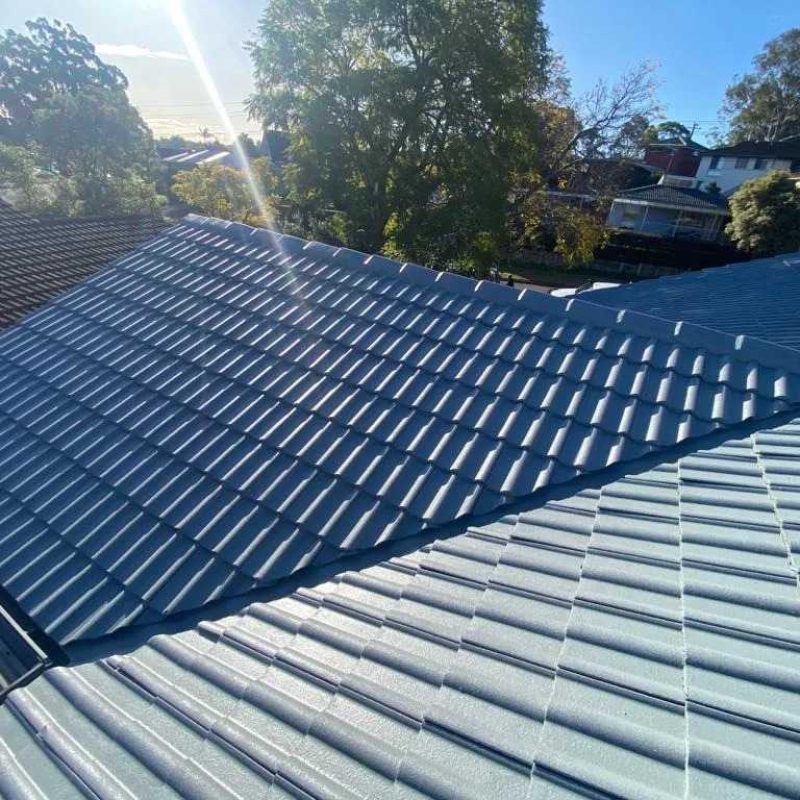
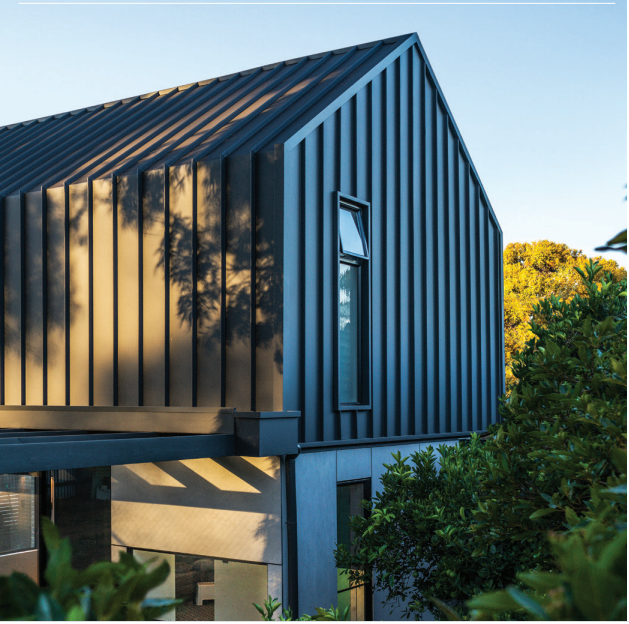
Professional gutter installation involves more than removing old gutters and attaching new ones. The process requires careful assessment of the roof drainage system to ensure the finished installation performs correctly.
Property inspection and assessment. Before installation begins, we inspect the existing roof, fascia boards, current gutter condition, downpipe layout, and drainage requirements. This allows us to identify any structural issues or improvements needed before installing the new system.
Removal of existing gutters. If replacing old gutters, the existing system is carefully removed while checking the condition of supporting areas behind the gutter line. Damaged fascia boards or deteriorated fixing points may need attention before new gutters are installed.
Preparation of gutter lines. The gutter position is measured and prepared to ensure correct alignment and drainage fall. Accurate positioning helps prevent water pooling and ensures consistent flow towards downpipes.
Installation of new gutters. The new gutter sections are installed using suitable brackets and fixings designed for the roof structure. Joints, corners, and outlets are sealed correctly to prevent leaks.
Downpipe connection and drainage checks. Downpipes are connected to ensure water leaves the gutter system efficiently. Existing drainage points are checked, and adjustments may be recommended where water flow issues are identified.
Final inspection. Once installation is complete, the entire system is checked for alignment, secure fixing, correct falls, and watertight connections. The goal is a gutter system that operates reliably through Newcastle’s changing weather conditions.
How often should gutters be replaced?
The lifespan of a gutter system depends on the material, installation quality, exposure conditions, and maintenance. Many residential gutters last several decades when properly installed and maintained. Signs that replacement may be required include rust, cracking, sagging sections, leaking joints, and repeated overflowing. We inspect the existing system and advise whether repairs or replacement are the most suitable option.
Can you install gutters on both tile and metal roofs?
Yes. Gutter systems can be installed on a wide range of roofing types including concrete tile, terracotta tile, Colorbond, and other metal roofing systems. The installation approach changes depending on the roof design, fascia structure, and existing drainage setup.
Why are my gutters overflowing during heavy rain?
Overflowing gutters can be caused by several issues including blocked gutters, insufficient gutter size, incorrect fall, inadequate downpipes, or poor installation. A professional inspection helps identify whether the problem is maintenance-related or whether the drainage system needs upgrading.
Do new gutters help prevent roof leaks?
Yes, a correctly functioning gutter system helps manage roof runoff and reduces the chance of water collecting around roof edges and external walls. However, roof leaks can also come from other areas such as damaged tiles, flashing issues, or roof penetrations. Our Roof Leak service covers how these problems are diagnosed.
How long does gutter installation take?
Most standard residential gutter installations can be completed efficiently depending on the size of the property, the amount of guttering required, and whether old gutters need to be removed. During the quote process, we provide an expected timeframe based on your specific project.
Can gutter installation be completed during roof repairs or restoration?
Yes. Combining gutter installation with roof repairs, maintenance, or restoration work is often the most efficient approach. Completing drainage upgrades at the same time as roofing work ensures the entire roof system works together properly. Our Roof Restoration service explains how we improve the performance and condition of existing roofs.

Call Newcastle Tile and Metal Roofing on (02) 4071 6013 or visit our Contact Us page to arrange a free consultation and quote. We provide professional gutter installation for homes across Newcastle and surrounding areas, available Monday to Sunday, 24 hours a day.

Opening Hours: Monday to Sunday – 24 hours