Every roof has a lifespan, and most show clear signs of wear well before they need replacing. Faded or cracked tiles, peeling coatings, deteriorating pointing, and localised leaks are all indicators that a roof has reached the stage where restoration or remediation work will deliver significant value. Done at the right time, a proper restoration can add many years to a roof’s service life at a fraction of the cost of full replacement.
Newcastle Tile and Metal Roofing provides roof restoration and remediation services for residential and commercial properties across Newcastle and the surrounding region. Call us on (02) 4071 6013 for a free assessment, or read on to understand what each service involves and whether your roof is a candidate.
The two terms are often used interchangeably, but they describe distinct scopes of work.
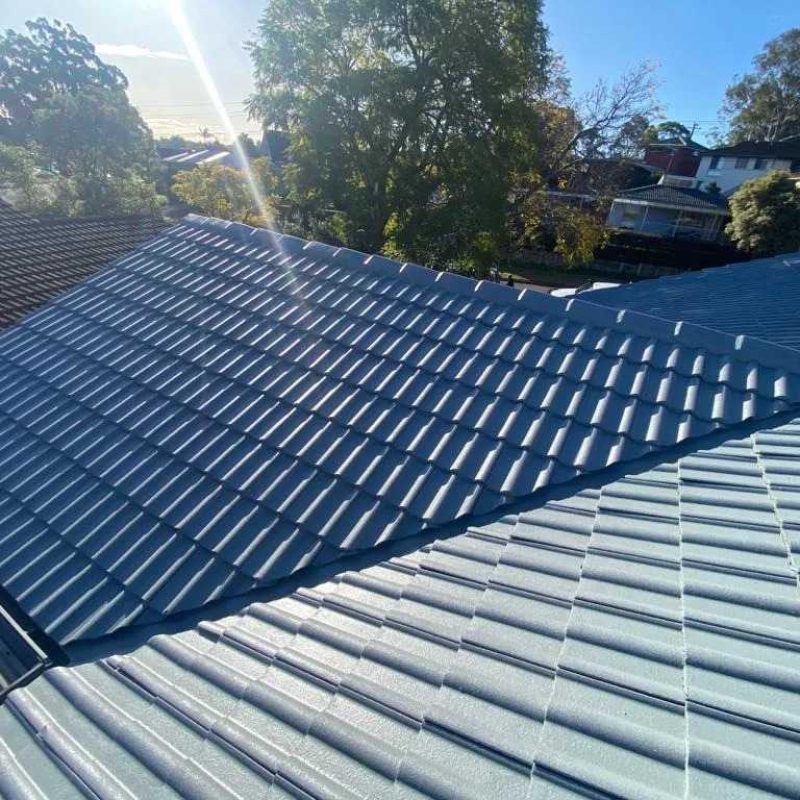
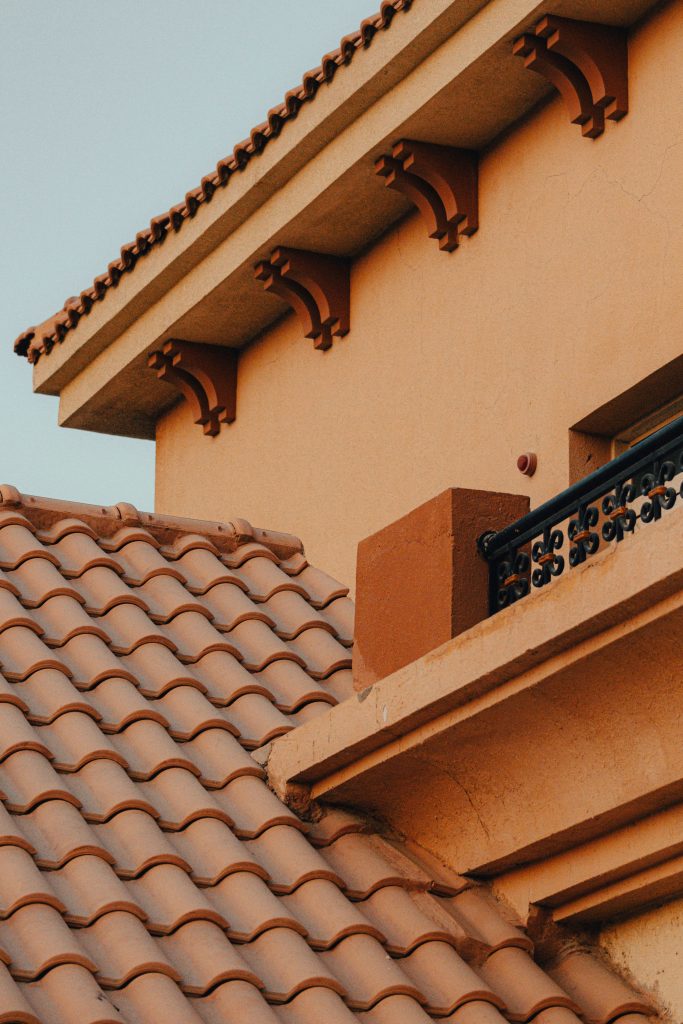
Roof restoration refers to a comprehensive treatment of the entire roof surface. It typically involves a full clean to remove moss, lichen, and dirt; repair or replacement of any broken or displaced tiles; re-bedding and repointing of ridge capping; and application of a high-quality roof membrane or sealer coat. The result is a roof that looks close to new and is protected against weather ingress for another decade or more. Our dedicated Roof Restoration page covers this service in more detail.
Roof remediation is a more targeted intervention. It focuses on identifying and resolving specific structural or weatherproofing problems rather than treating the whole roof. This might involve repairing sections damaged by storm impact, replacing failed flashings, addressing concentrated areas of water ingress, or stabilising sections that have deteriorated faster than the rest of the roof. Remediation is the appropriate approach when the overall roof is still in reasonable condition but particular problems need to be corrected before they worsen.
In practice, the two often go together. A restoration may include remediation work on problem areas as part of the overall scope, and a remediation job may reveal that a broader restoration would be worthwhile. Our team will give you an honest recommendation based on what your roof actually needs.
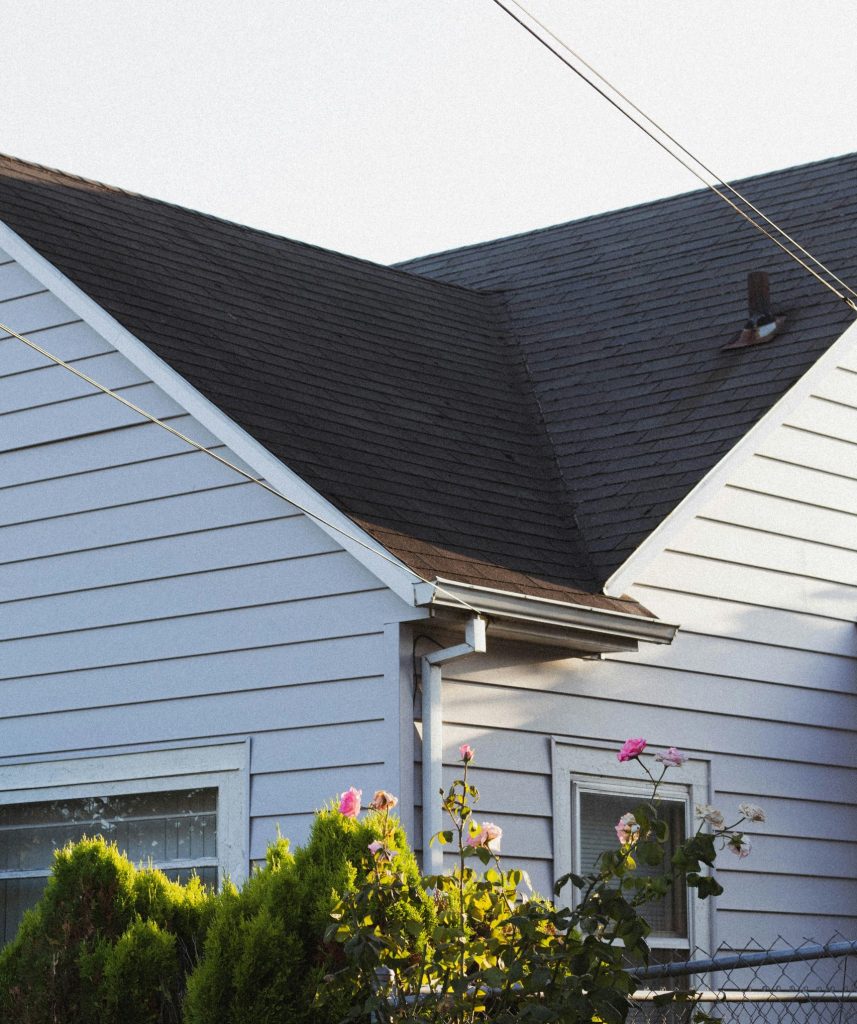
Many Newcastle homeowners put off roof work longer than they should because the roof is not actively leaking. But by the time water is getting through to the ceiling, the damage is often already well advanced. The signs that restoration or remediation is due tend to appear long before a leak becomes obvious.
Tile surfaces that look dull, chalky, or heavily stained indicate that the protective coating has broken down and the underlying material is now exposed to moisture absorption. Left untreated, porous tiles become increasingly prone to cracking and freeze-thaw damage during winter.
Moss and lichen growth across the tile surface is more than a cosmetic issue. Root-like structures penetrate tile surfaces and grout lines, trapping moisture and gradually forcing materials apart. Removal and treatment of the underlying surface is needed to prevent regrowth.
Cracked or loose ridge capping is one of the most common entry points for water in older Newcastle homes. When the mortar bed that holds the capping in place dries out and shrinks, gaps open up along the ridge line. Our Ridge Capping Restoration page explains this issue in more detail.
Water stains on interior ceilings that appear or grow after heavy rain point to a breach somewhere in the roof. These may be linked to flashing failures, cracked tiles, or compromised valley gutters, all of which fall within the scope of roof remediation.
A roof that is 15 to 20 years old and has never been professionally inspected is a strong candidate for at minimum an assessment, even if no symptoms are visible yet. Routine Roof Maintenance checks catch developing issues early, when they are least expensive to fix.
We approach every restoration and remediation job with a thorough inspection first. There is no point applying a fresh coating over a roof that has underlying structural problems, and no point carrying out targeted repairs if the broader surface condition means those repairs will be undermined within a few years. The inspection informs the scope, and the scope drives the quote.
Step 1 — Inspection and assessment. We carry out a full roof inspection, noting the condition of tiles or metal sheets, ridge capping, flashings, valleys, gutters, and any visible structural concerns. We photograph problem areas so you can see exactly what we are looking at.
Step 2 — Scope and recommendation. Based on the inspection, we provide a clear written recommendation covering what work is needed, what is optional, and what can be deferred. We will tell you honestly if a repair or restoration will extend the roof’s life meaningfully, or if the condition has deteriorated to the point where roof replacement is the more cost-effective path.
Step 3 — Preparation work. Before any coating or pointing is applied, the roof surface is thoroughly high-pressure cleaned and any broken, displaced, or compromised tiles or sheets are repaired or replaced. Ridge capping is re-bedded and repointed where required.
Step 4 — Restoration coatings or remediation repairs. Depending on the agreed scope, we apply protective membrane coatings to extend surface life, carry out targeted flashing and valley repairs, seal penetrations, and address any other identified issues.
Step 5 — Final inspection and documentation. Once work is complete, we carry out a final walkthrough and provide documentation of the work done, which is useful for insurance purposes and future maintenance records.
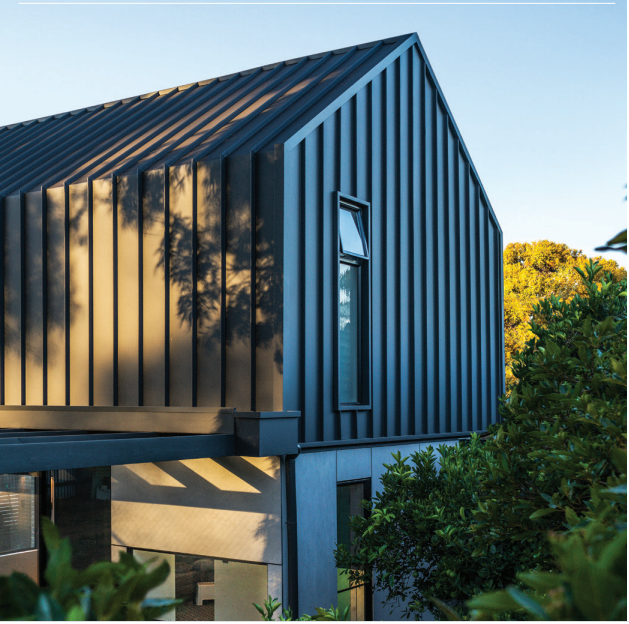
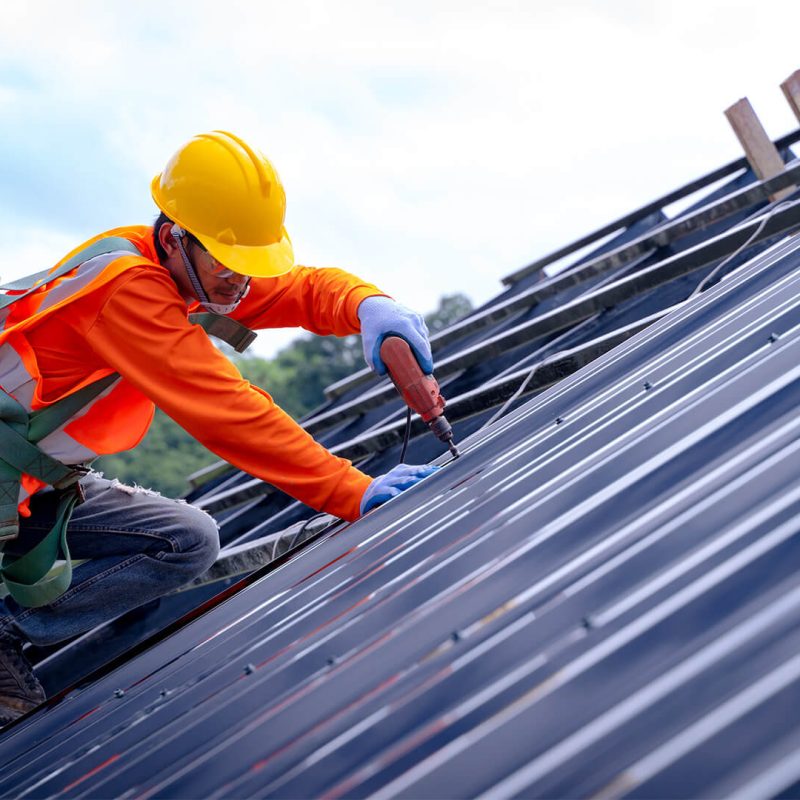
Restoration is not just for tile roofs. Metal roofing systems also benefit from periodic remediation as they age. Common issues on older metal roofs that we address include:
Surface rust on exposed fasteners or scratched areas of Colorbond sheeting. When the protective coating is broken and left untreated, rust spreads beneath the paint layer and can compromise the sheet from the inside out. Early intervention with rust treatment and touch-up coatings prevents a small problem from becoming a replacement job.
Failing lap sealants along sheet overlaps and around penetrations. Sealants used at the time of installation have a finite lifespan and typically need renewal every ten to fifteen years depending on sun exposure and roof pitch.
Corroded or poorly sealed flashings around chimneys, skylights, and parapet walls. Metal flashing remediation is one of the most effective ways to stop chronic leaks on aging metal roofs without needing to replace the entire roof surface. Our Metal Roofing and Flashings page covers our full range of metal-specific services.
If your metal roof is showing any of these signs, a remediation inspection will identify what is needed and allow us to quote on targeted repairs before the damage spreads further.
How do I know if my roof needs restoration or just repairs?
The key difference is scope. If the problems on your roof are isolated a few cracked tiles, a failing flashing, a small section of damaged pointing targeted roof repairs are usually sufficient. If the surface coating has broken down across most of the roof, the ridge capping is failing along its full length, and there are multiple small problem areas, a full restoration is likely the better investment. Our inspection process will give you a clear, honest answer for your specific roof.
Will restoration save me from needing a full roof replacement?
In many cases, yes. A roof that is structurally sound but showing surface wear and weatherproofing degradation can have its life extended by ten to fifteen years through a properly executed restoration. However, if the underlying structure is compromised rotted battens, widespread tile breakage, or severe metal corrosion restoration alone may not be sufficient. We will tell you which situation applies before any work begins.
How long does a roof restoration take?
Most residential roof restorations in Newcastle are completed within two to four days, depending on the size of the roof and the scope of preparation work required. Weather can affect scheduling, particularly the application of coatings which need dry conditions to cure correctly.
Do I need to vacate my home during restoration?
No. Roof restoration work is carried out externally and does not typically require access to the interior of the home. You can remain in the property throughout the process, though there will be some noise from pressure washing and general roof work during the job.
Can restoration work be used to support an insurance claim?
Pre-existing wear and gradual deterioration are generally not covered by home insurance, but storm damage that occurs to a roof in otherwise reasonable condition often is. We can provide condition reports and photographic documentation of the state of your roof before and after work, which can be useful when lodging or disputing a claim. For urgent storm damage, our 24/7 Emergency Repairs and Make Safes service is available any time of day or night.
How often should a restored roof be inspected afterward?
We recommend an inspection every two years following a restoration, and annually if the property is in a higher-exposure location such as close to the coast or in a heavily treed area. Regular roof maintenance visits keep the restored surface performing as intended and catch any new issues before they develop into larger problems.
Call Newcastle Tile and Metal Roofing on (02) 4071 6013 or visit our Contact Us page to arrange a free inspection. We are available Monday to Sunday, 24 hours a day.
Opening Hours: Monday to Sunday – 24 hours