Colorbond steel has become the dominant roofing choice across Australia for good reason. It is durable, lightweight, low maintenance, and engineered specifically for the Australian climate including the coastal conditions, summer heat, and storm exposure that Newcastle properties deal with regularly. Whether you are building new, replacing an aging tile roof, or re-sheeting a deteriorated metal roof, Colorbond is a system that delivers long-term performance with minimal ongoing attention required.
Newcastle Tile and Metal Roofing installs, repairs, and maintains Colorbond roofing systems across Newcastle and the surrounding region. Call us on (02) 4071 6013 for a free quote, or read on to understand the system in detail and what to consider when choosing Colorbond for your property.
Colorbond steel is manufactured by BlueScope and is purpose-built for Australian conditions. The product is not simply painted steel it is a multi-layer composite that starts with a high-strength steel base, moves through a zinc-aluminium alloy coating for corrosion protection, then a conversion layer, a primer, and finally the exterior paint finish. Each layer serves a specific function in protecting the material against the conditions it will face over its service life.
For Newcastle specifically, several of Colorbond’s characteristics are particularly relevant.
Corrosion resistance in coastal environments. Properties within a few kilometres of the coast face elevated salt exposure from onshore winds. Colorbond’s zinc-aluminium alloy coating is specifically designed to resist this salt-air corrosion, and BlueScope offers dedicated specifications including Colorbond Ultra for properties in high-corrosivity coastal zones. Selecting the correct product specification for the property’s location is an important part of the installation process.
Thermal performance. Colorbond’s Thermatech solar reflectance technology is incorporated into the darker colour range, reducing the amount of heat absorbed through the roof surface. In Newcastle’s warm summers, a roof that reflects rather than absorbs solar energy reduces the heat load on the ceiling cavity, which improves thermal comfort and can lower cooling costs. Lighter colours in the Colorbond range provide higher reflectance, while the Thermatech-enhanced darker colours balance aesthetics with improved performance compared to standard dark roof finishes.
Structural lightness. Colorbond steel is significantly lighter than concrete or terracotta tiles. This is relevant for two reasons. On new builds, a lighter roof places less demand on the structural frame, which can influence design flexibility. On existing homes where tiles are being replaced, the reduced load is often relevant to the structural capacity of older roof frames that were not originally designed to carry the weight of a tiled roof indefinitely.
Performance in severe weather. Correctly installed Colorbond, using appropriate fixings and fastener patterns for the wind region, performs well in severe storm conditions. The continuous sheet nature of a metal roof, with no individual units that can be displaced like tiles, reduces vulnerability to high wind events when the installation has been carried out to specification.
One of the common misconceptions about Colorbond roofing is that it is limited to the corrugated iron look. The reality is that Colorbond steel is available in a range of profiles suited to different roof pitches, architectural styles, and performance requirements.
Corrugated is the classic profile the familiar rounded wave pattern that has been used on Australian roofs for well over a century. It suits steeper-pitched roofs and a wide range of home styles from traditional federation and weatherboard homes to contemporary designs. It uses exposed fasteners through the crest of the profile.
Trimdek is a deeper, more angular profile that provides a contemporary appearance and suits both residential and commercial applications. Like corrugated, it uses exposed fasteners.
Kliplok is a concealed-fix profile that clips together over a standing seam without exposed screws. This makes it the correct choice for low-pitched roofs where exposed fasteners would be at risk of allowing water to track down the screw shaft at shallow angles. It is also widely used on contemporary residential designs where a clean, fastener-free roof surface is preferred aesthetically.
Longline and standing seam profiles provide a premium finish suited to architecturally designed homes and commercial projects where the roof surface is a significant visual element.
On the colour side, Colorbond currently offers a palette of more than twenty standard colours spanning everything from near-white shades such as Surfmist and Paperbark through to deep tones like Monument and Night Sky. The right colour choice depends on the property’s surroundings, the street context, and any heritage or planning controls that apply to the area. We can provide physical colour samples and discuss the visual implications of different choices during the quoting process.
Colorbond roofing is installed in several different contexts, each with its own considerations.
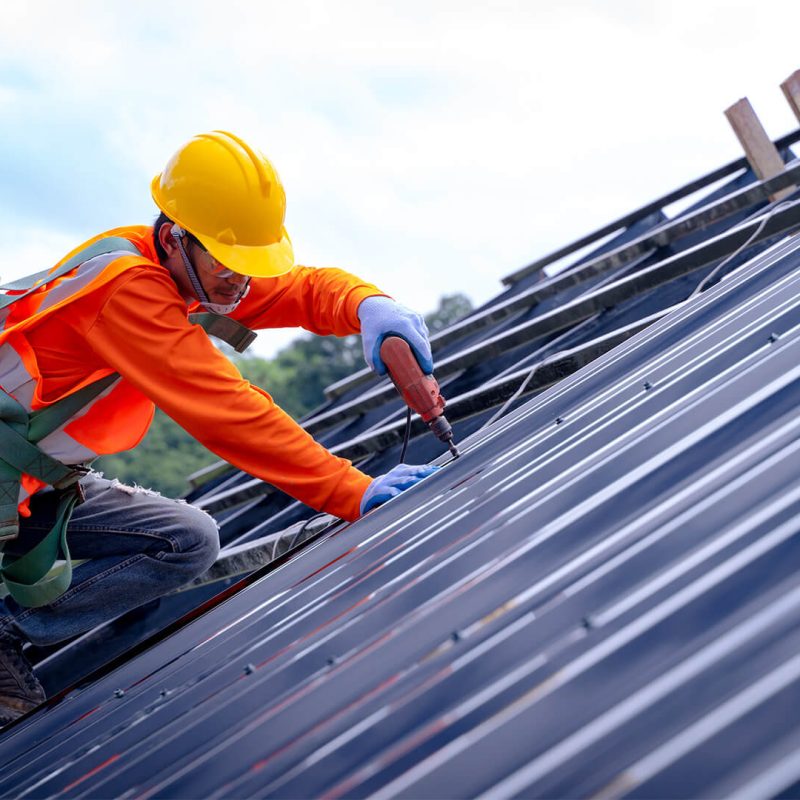
New installation on new builds involves working from a bare roof frame, installing the batten and purlin system to suit the chosen profile, laying new sarking, and fixing the sheets to the specified fastener pattern for the wind region. New installation allows full control over every element of the system, including specifying the correct Colorbond product grade for the property’s coastal or inland classification.
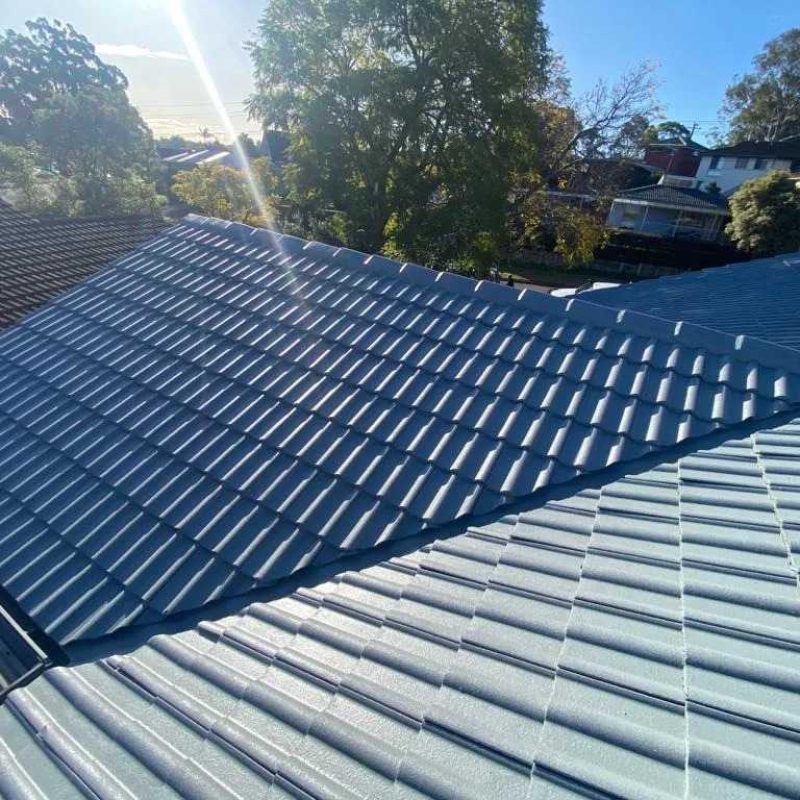
Replacement of an existing tile roof involves removing the existing tiles, battens, and sarking; inspecting and repairing any structural or batten issues revealed during strip-off; installing new sarking and battens to suit the Colorbond profile; and installing the new roof system including new flashings, ridge and hip cappings, and guttering. Switching from tiles to Colorbond is one of the most common replacement scenarios we handle in Newcastle, and the structural weight reduction is frequently one of the motivating factors alongside the low ongoing maintenance requirement. Our Roof Replacement page covers the full replacement process in detail.
Re-sheeting an existing metal roof is applicable when the underlying batten and structure is sound but the existing metal sheets have corroded, been damaged, or simply reached the end of their useful life. In appropriate cases, re-sheeting is more cost-effective than a full tear-off and replacement because the structural work required is reduced. We assess the existing structure as part of the quoting process to determine whether re-sheeting is viable or whether a complete replacement is the better approach.
Over-roofing installing a new Colorbond roof over existing tiles using a raised batten system is occasionally used where budget is a strong constraint and the existing tile condition is not so deteriorated as to present structural concerns. This approach adds roof height and some complexity around flashings and eave lines, and is not appropriate in all situations. We will advise whether it is a practical option for your specific property during the inspection.
All Colorbond installation work we carry out includes new flashings at all wall junctions, chimneys, skylights, and penetrations. Flashings are a critical part of the weatherproofing system, and installing new sheets over old flashings is a false economy that leads to early leak problems. Our Metal Roofing and Flashings page covers flashing work in detail.
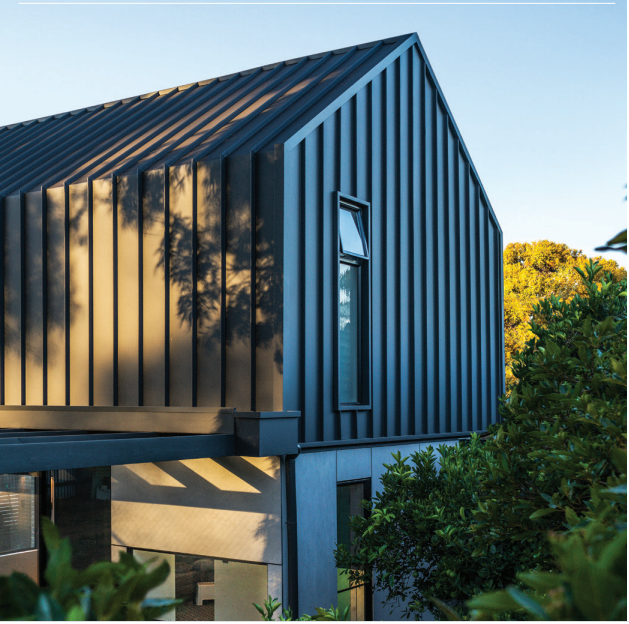
Colorbond is often described as maintenance-free, which is an overstatement. It is genuinely low maintenance compared to tile roofing, but periodic attention keeps it performing as intended and prevents small issues from developing into larger ones.
Annual gutter clearing is the most important routine task for any metal roof. Leaves and debris that accumulate in gutters and valleys trap moisture against the metal surface, and in coastal Newcastle environments this accelerates localised corrosion. Properties with heavy tree coverage should clear gutters more frequently, particularly after autumn leaf fall and following storm events.
Periodic roof surface cleaning removes organic matter and salt deposits that build up on the roof surface over time. A low-pressure wash every few years, combined with a mild cleaning solution where moss or lichen growth has begun, keeps the surface in good condition and reduces the risk of localised corrosion beneath organic deposits.
Fastener inspection is relevant for profiles with exposed screws. The rubber washers under each fastener degrade over time, typically over ten to twenty years depending on UV and heat exposure. When washers perish, water can track down the fastener shaft into the roof structure. Replacing perished fasteners is a straightforward repair that prevents what would otherwise become a chronic minor leak.
Flashing sealant renewal is typically needed every ten to fifteen years. The sealant used around flashings at wall junctions, chimneys, and penetrations has a finite lifespan, and periodic renewal prevents water entry at these junctions.
Prompt treatment of scratches and cut edges. Any point where the Colorbond coating has been broken a scratch from a falling branch, a cut edge at a trim point that was not properly treated during installation is a potential corrosion start point. Early application of compatible Colorbond touch-up paint prevents rust from establishing and spreading beneath the coating.
Our Roof Maintenance service covers all of these elements as part of a scheduled inspection visit, and is the most reliable way to ensure a Colorbond roof continues performing well throughout its service life.
How long does a Colorbond roof last?
BlueScope’s manufacturer warranty for Colorbond steel in standard residential applications covers the steel substrate for 36 years, with separate warranty periods for the paint finish. In practice, well-maintained Colorbond roofs regularly exceed the warranty period. The key variables affecting service life are proximity to the coast, the product specification chosen for the corrosivity zone, installation quality, and the regularity of maintenance.
Which Colorbond product should I choose for a coastal property in Newcastle?
Properties within approximately one kilometre of breaking surf or tidal waters are generally classified in a high-corrosivity zone and should be specified with Colorbond Ultra, which carries enhanced corrosion resistance for these environments. Properties further from the coast but still within the coastal influence zone may be appropriate for standard Colorbond, but the exact specification should be assessed for each property. We advise on the correct product grade during the quoting process based on the property’s location.
Is Colorbond roofing noisy in rain?
Rain noise on metal roofing is a commonly raised concern, and it is one that is largely addressed by correct installation. A Colorbond roof installed over a solid sarking layer, with appropriate insulation in the ceiling cavity, produces significantly less rain noise than the corrugated iron roofs of earlier generations. The majority of homeowners who switch from tiles to Colorbond find the rain noise is less than they expected, particularly in a well-insulated home.
Can Colorbond roofing be installed on a low-pitched roof?
Yes, with the correct profile. Exposed-fastener profiles like corrugated and Trimdek have minimum recommended pitches, typically around five degrees, below which water cannot shed quickly enough at the laps to prevent entry. For roofs below this pitch threshold, a concealed-fix profile such as Kliplok is the appropriate specification. We assess the roof pitch during the inspection and advise on the correct profile choice.
What happens if a Colorbond sheet is damaged and needs replacement?
Individual sheets or sections of Colorbond can be replaced without disturbing the rest of the roof, provided the damage is localised. The main practical consideration is colour matching Colorbond colours evolve slightly over time, and a new sheet installed alongside weathered existing sheets may show a visible difference initially. This typically fades as the new material weathers. For storm damage repairs, we provide documentation suitable for insurance claims.
How does Colorbond compare to terracotta or concrete tiles for resale value?
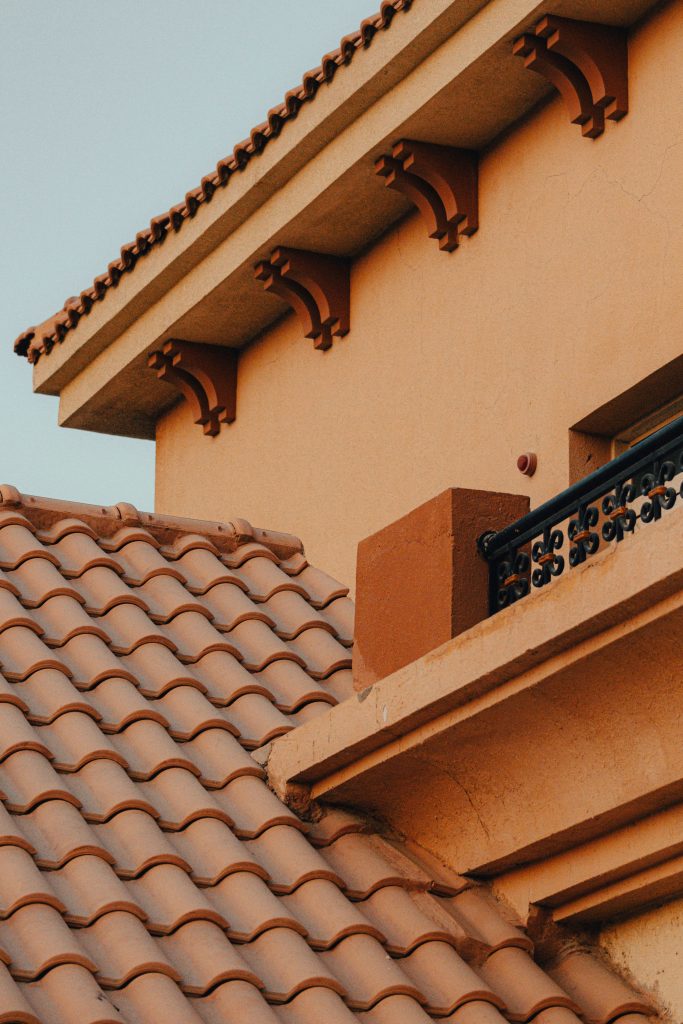
Colorbond is well accepted by the Newcastle property market and does not negatively affect resale value. On properties where the existing tile roof is aging and clearly in need of attention, replacing with Colorbond can improve buyer perception and remove a visible maintenance liability. On heritage-style homes in areas where tiles are traditional or where heritage controls apply, tiles may be preferred for aesthetic or planning reasons. We are happy to discuss the context for your specific property.
Call Newcastle Tile and Metal Roofing on (02) 4071 6013 or visit our Contact Us page to arrange a free inspection and quote. We are available Monday to Sunday, 24 hours a day.
Opening Hours: Monday to Sunday – 24 hours