Terracotta roof tiles are among the oldest roofing materials in continuous use anywhere in the world, and their longevity record is one that no other roofing system can match. A well-installed terracotta roof on a structurally appropriate building, maintained correctly over its life, can last well over a century. For Newcastle homeowners who value a premium aesthetic, long-term value, and a roofing system that genuinely improves with age rather than deteriorating, terracotta remains one of the most compelling options available.
Newcastle Tile and Metal Roofing installs, repairs, and maintains terracotta roofing systems across Newcastle and the surrounding region. Call us on (02) 4071 6013 for a free inspection or quote, or read on to understand what terracotta roofing involves and whether it is the right choice for your property.
Terracotta tiles are manufactured from natural clay that is shaped and then fired at high temperatures in a kiln. The firing process vitrifies the clay that is, it causes the material to partially fuse at a molecular level creating a dense, hard surface that is fundamentally different in its behaviour from a cement-based product like a concrete tile.
The most significant practical consequence of this is that terracotta does not rely on a surface coating for its weather resistance. Concrete tiles have a pigmented surface finish that, over time, breaks down and leaves the underlying cement substrate exposed to moisture absorption. Terracotta’s weather resistance is inherent in the material itself. The fired clay surface does not degrade in the same way, which is why terracotta roofs do not require restoration coatings in the way that concrete tile roofs do and why their service life is so much longer.
This does not mean terracotta roofs are maintenance-free. The tiles themselves are highly durable, but the supporting system ridge capping mortar, flashings, valley gutters, sarking, and battens has the same maintenance requirements as any other tile roof. It is very common to find a terracotta roof where the tiles themselves are in excellent condition but the ridge capping has failed, the valley flashings have corroded, or the sarking has deteriorated after decades of service. These elements can be renewed without disturbing the tiles, extending the roof’s service life further without the cost of a full replacement.
Terracotta also performs well in Newcastle’s coastal environment. Unlike concrete tiles, which can absorb salt-laden moisture and experience surface breakdown, fired terracotta is inherently resistant to salt attack. This makes it a particularly suitable choice for properties in coastal Newcastle suburbs where salt air is a factor in material selection.
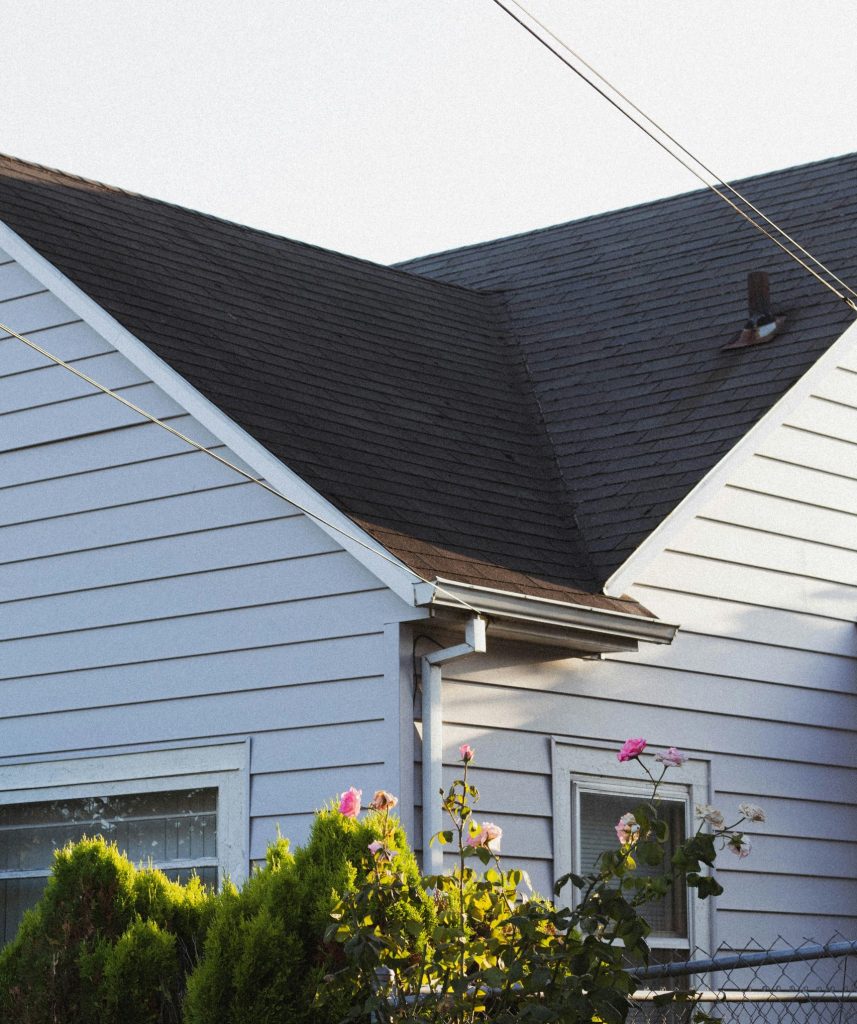
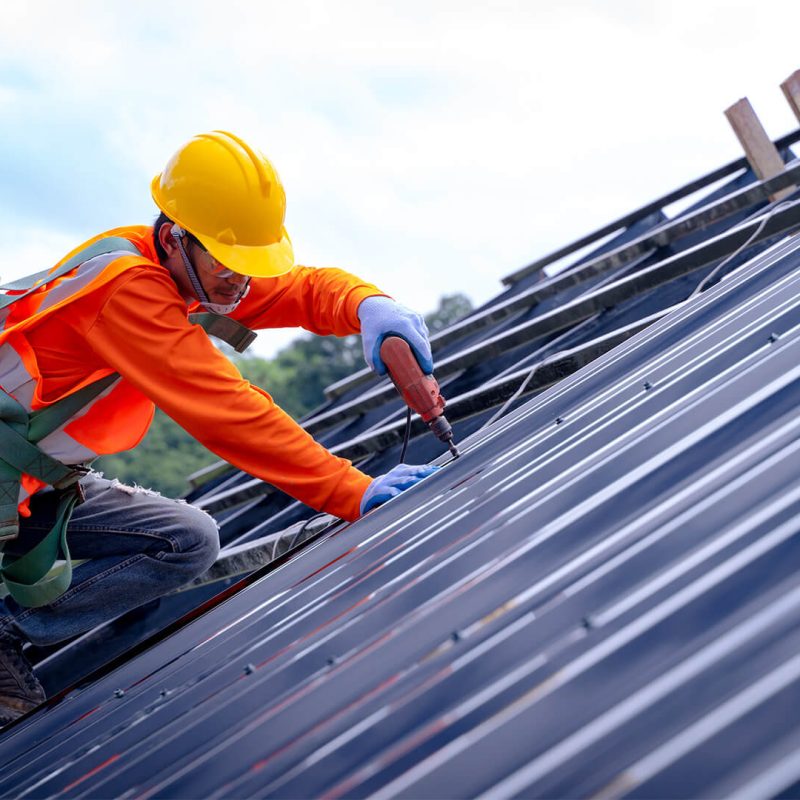
Terracotta tiles are available in a range of profiles that suit different architectural styles, and the visual character of terracotta its warm natural colour, slight variation from tile to tile, and the way it weathers gracefully rather than fading is one of the main reasons homeowners choose it over concrete or metal alternatives.
Flat profiles produce a clean, contemporary appearance with minimal shadow lines. They suit modern architectural styles and heritage homes where a low-profile tile look is appropriate. Flat terracotta tiles in natural red and earth tones are a common sight on federation-era homes across Newcastle’s established suburbs.
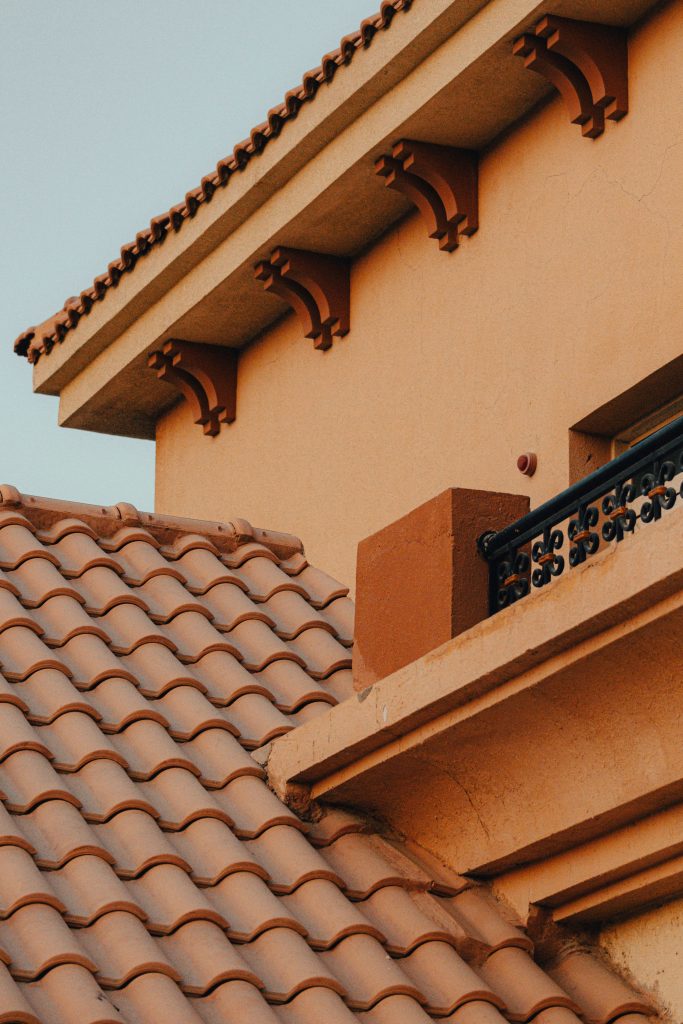
Roman and barrel profiles are curved tiles that interlock in an overlapping pattern, creating the distinctive rounded appearance associated with Mediterranean and Spanish colonial architecture. These profiles suit homes with a corresponding aesthetic and have been popular in certain Newcastle residential areas for generations.
Interlocking profiles combine a degree of weatherproofing from the interlocking joint geometry with a cleaner appearance than the fully rounded barrel profiles. They are among the most widely used terracotta profiles in contemporary Australian residential construction where a tile roof is specified.
Double roman and slate profiles offer additional visual texture and depth of shadow line, creating a more pronounced roof surface character that suits larger homes or architecturally detailed designs.
Natural terracotta colours range from light buff and ochre through to deep brick red and brown, depending on the clay source and firing conditions. Glazed terracotta tiles are also available in a range of colours beyond the natural clay palette, though the glazed finish does change the maintenance considerations slightly compared to unglazed material. If you are selecting terracotta for a new installation or matching tiles for a repair, we can assist with sourcing and colour matching during the quoting process.
The most important practical consideration when choosing terracotta over other roofing materials is weight. Terracotta tiles are significantly heavier than both concrete tiles and metal roofing systems, and the roof structure must be assessed and confirmed capable of carrying the load before a terracotta installation proceeds.
The weight of a terracotta roof varies depending on the profile and product, but as a general guide, a terracotta tile roof will impose a load of roughly forty-five to sixty-five kilograms per square metre on the roof structure. By comparison, a concrete tile roof is typically in the range of forty to fifty kilograms per square metre, and a Colorbond steel roof is around ten to fifteen kilograms per square metre. This difference is meaningful when assessing whether an existing structure can accommodate a terracotta installation.
For new builds, the structural engineer designs the roof frame to carry the specified load, and terracotta is simply one input into that design process. For existing homes where terracotta is being considered as a replacement for an aging concrete tile roof or a different roofing system, a structural assessment of the existing frame is an important step before committing to the material. In some cases, the existing structure is adequate without modification. In others, additional strutting or frame reinforcement may be needed, and the cost of this work should be factored into the overall project budget.
Where a structural assessment confirms that the existing frame cannot adequately carry a terracotta load without significant modification, Colorbond steel or concrete tiles are the practical alternatives. We are transparent about this assessment and will not recommend a terracotta installation on a structure that is not appropriate for it. Our Roof Replacement page covers the full replacement process and the structural assessment that is part of every replacement quote.
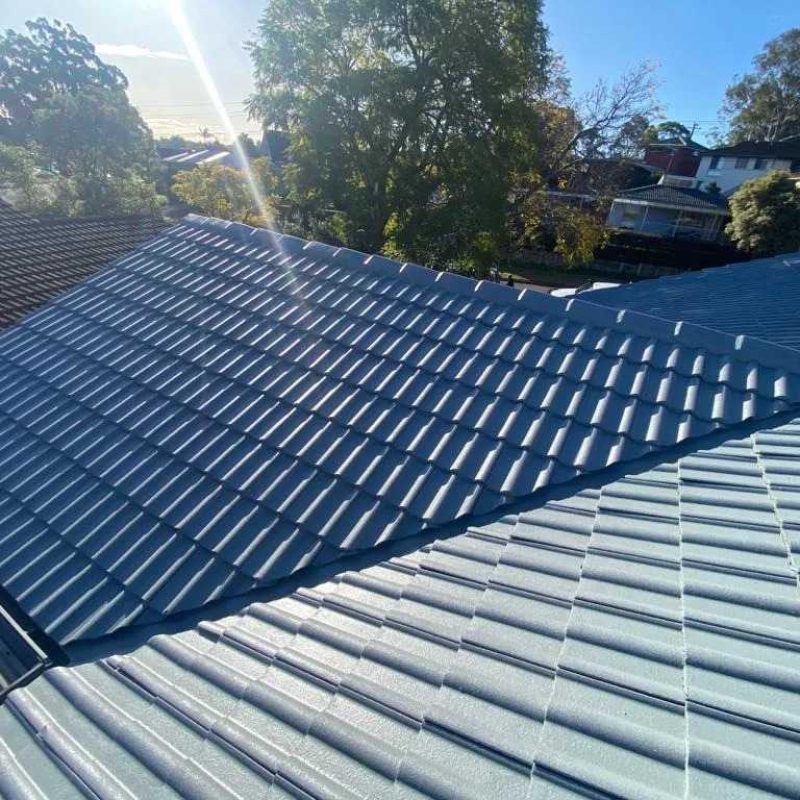
The maintenance requirements of a terracotta roof are, in many respects, less demanding than those of a concrete tile roof of the same age, precisely because the tiles themselves do not require surface coating renewal. However, the supporting elements of the roof system require the same attention as on any tile roof, and the age at which many Newcastle terracotta roofs now find themselves means several of these elements are typically overdue for attention.
Ridge capping re-bedding and repointing is the most common maintenance need on older terracotta roofs. A roof installed fifty or sixty years ago may have terracotta tiles in excellent condition but a ridge mortar bed that has completely dried out and cracked, allowing water entry along the full length of the ridge. Re-bedding and repointing the ridge with modern flexible pointing compound is a straightforward process that restores weatherproofing without touching the tiles. Our Ridge Capping Restoration page covers this work in detail.
Flashing repair and replacement is similarly common on older terracotta roofs. The original metal flashings around chimneys, skylights, and wall junctions on a fifty-year-old home have almost certainly reached the end of their service life, regardless of how good the tiles look. Corroded or displaced flashings are a leading cause of leaks on terracotta roofs where the tiles themselves are sound. Our Metal Roofing and Flashings page covers flashing work across all roof types.
Individual tile replacement is needed when tiles are cracked or broken by impact, foot traffic, or physical damage. Because terracotta is a fired clay product, its brittleness means it can crack under a direct impact that a concrete tile might withstand. Sourcing matching replacement tiles can be challenging on older roofs where the original profile is no longer in production, and we discuss the tile matching situation honestly during any repair assessment.
Sarking and batten condition on very old terracotta roofs may have reached the point where renewal is warranted, particularly where there has been any history of water ingress. Sarking and batten renewal does not require replacing the tiles and can be carried out during a broader restoration and remediation project.
Moss and biological growth does affect terracotta surfaces, particularly on shaded or southerly-facing sections. While moss cannot penetrate the vitrified clay surface in the way it affects porous concrete tiles, it does retain moisture against the surface and can eventually penetrate grout lines and ridge mortar. Periodic cleaning and treatment is worthwhile, though less urgently than on concrete tile roofs.
Routine Roof Maintenance visits every one to two years provide the most reliable way to keep all of these elements in order and catch any developing issues before they produce a leak.
How long does a terracotta roof last?
High-quality terracotta tiles, properly installed and maintained, have a documented service life of well over a century. There are terracotta roofs in Australia and Europe that are performing effectively after one hundred and fifty years or more. The tiles themselves are not the limiting factor in a terracotta roof’s life it is the supporting elements, particularly the ridge mortar, sarking, battens, and flashings, that require periodic renewal. These can all be addressed without replacing the tiles, allowing the roof’s service life to be extended indefinitely with appropriate maintenance.
Can terracotta tiles be painted or coated like concrete tiles?
Terracotta tiles do not require coating and should not be treated with standard concrete tile restoration coatings. The vitrified surface of fired clay does not accept or bond with coatings in the same way that a porous concrete surface does, and applying an incompatible coating can trap moisture and cause more problems than it solves. If the colour of a terracotta roof has shifted over time due to surface weathering or biological growth, professional cleaning is the correct treatment rather than coating.
My terracotta roof is leaking but the tiles look fine from the ground. What is causing it?
This is very common on older terracotta roofs. Because the tiles themselves are so durable, they frequently outlast the mortar, flashings, and sarking installed alongside them. A leak on an otherwise sound-looking terracotta roof is most likely originating from the ridge capping, a failed flashing, a corroded valley gutter, or deteriorated sarking beneath the tiles rather than from the tiles themselves. Our Roof Leak service covers diagnostic inspections to identify the exact source.
Are terracotta tiles more prone to breakage than concrete tiles?
Terracotta is a brittle material compared to concrete, which means it is more susceptible to cracking under a direct sharp impact a falling branch, a misplaced foot, a hail strike. Concrete tiles have a degree of flexibility that allows them to absorb impact slightly before cracking. However, this brittleness is a characteristic of the unfired surface of the tile, not of the interlocking system as a whole. A terracotta roof that is walked on carefully, using appropriate roof boards to distribute weight, carries very little risk of damage during maintenance visits.
Can I add a terracotta roof to an older home?
It depends on the structural capacity of the existing roof frame. Terracotta’s greater weight compared to concrete or metal roofing means that the frame needs to be assessed before proceeding. For many Newcastle homes built in the early to mid twentieth century, the original timber frame was built to generous structural standards and can carry a terracotta load without modification. For homes with lighter framing or where other roofing systems have reduced the load over time, some structural reinforcement may be needed. We include a structural assessment as part of any terracotta replacement quote.
What should I do if I cannot find matching terracotta tiles for a repair?
Profile matching and colour matching on older terracotta tiles can be challenging, particularly for discontinued profiles or tiles from manufacturers no longer operating in Australia. Options include sourcing salvaged tiles from demolition yards, which sometimes yields a better match than new stock; using a close but not exact match in an inconspicuous area; or, in cases where matching is genuinely not achievable, discussing whether a broader re-tiling of the affected section produces a better visual outcome than a patchwork repair. We advise on the realistic options for your specific situation during the inspection.
Call Newcastle Tile and Metal Roofing on (02) 4071 6013 or visit our Contact Us page to arrange a free inspection and quote. We are available Monday to Sunday, 24 hours a day.

Opening Hours: Monday to Sunday – 24 hours