
Tile roofs are built to last, but individual components fail over time and specific faults need attention before they develop into larger problems. The advantage of a tile system over a metal roof is that individual tiles, ridge caps, and valley sections can be repaired or replaced without disturbing the rest of the roof. A broken tile replaced promptly, a slipped section re-seated correctly, or a cracked valley gutter repaired before the corrosion spreads — each of these is a straightforward job that prevents what would otherwise become a leak, an interior repair bill, and a much costlier scope of work.
Newcastle Tile and Metal Roofing carries out tile roof repairs across Newcastle and the surrounding region for both residential and commercial properties. We diagnose faults correctly, repair them with appropriate materials, and give you an honest assessment of the broader roof condition while we are up there. Call us on (02) 4071 6013 to arrange an inspection and repair quote.
Understanding what can go wrong on a tile roof, and what the correct repair looks like in each case, helps you recognise when a problem needs professional attention and what to expect when you call us.
Cracked and broken tiles are the most frequently encountered fault on both concrete and terracotta tile roofs. Tiles crack for a variety of reasons hail impact, falling branches, foot traffic from trades accessing the roof for other work, thermal stress over many years of expansion and contraction, and simple age-related brittleness on older material. A single cracked tile does not always produce an immediate drip inside the house, because the sarking beneath the tile system provides a secondary barrier. However, a broken tile that allows water to pool on the sarking accelerates its deterioration and will eventually lead to water entry as the membrane breaks down. Individual tile replacement is the correct response, and on most roofs with standard profiles, sourcing a matching replacement tile is straightforward.
Slipped and displaced tiles occur when tiles have shifted out of their correct overlapping position on the battens. This can happen from wind uplift on inadequately fixed tiles, from batten shrinkage over time that changes the fixing geometry, or from disturbance during prior roof access. Displaced tiles leave gaps in the interlocking system that allow water to enter, even though the tiles themselves are undamaged. Re-seating displaced tiles and mechanically fixing them where the existing fixing has failed is a quick repair that restores the integrity of the overlap pattern.
Ridge and hip capping failures are among the most common entry points for water on older Newcastle tile roofs. When the mortar bed and pointing along the ridge or hip lines deteriorates, caps loosen and gaps open up along the highest and most exposed sections of the roof. Targeted re-bedding and repointing of specific failed sections rather than a full ridge restoration is often the appropriate response where the failure is localised. Where the full ridge line needs attention, our Ridge Capping Restoration service covers that scope comprehensively.
Valley gutter failures develop when the metal valley gutters that channel water between two roof planes corrode, crack, or are blocked by debris. In heavy rain, water backs up in a blocked or damaged valley and finds its way under the adjacent tiles. Valley repair may involve clearing blockages, patching localised corrosion, or replacing the full valley length where the deterioration is extensive. Mortar-pointed valley systems also crack over time and may need re-cutting and re-mortaring or replacement with a metal valley.
Flashing failures around penetrations and junctions are a primary cause of chronic tile roof leaks. Step flashings along side walls, apron flashings below skylights, chimney flashings, and sealants around plumbing vents and roof penetrations all degrade over time. Re-sealing or replacing failed flashings is a targeted repair that stops water entry at these junctions without any need to disturb the surrounding tile system. Our Metal Roofing and Flashings page covers flashing repair and replacement in more detail.
Gutter and eave repairs address blocked, split, or incorrectly graded gutters that cause water to overflow against the fascia or back up under the eave tiles. Eave tiles that have been lifted by gutter overflow or vermin entry are a common finding on older Newcastle homes.
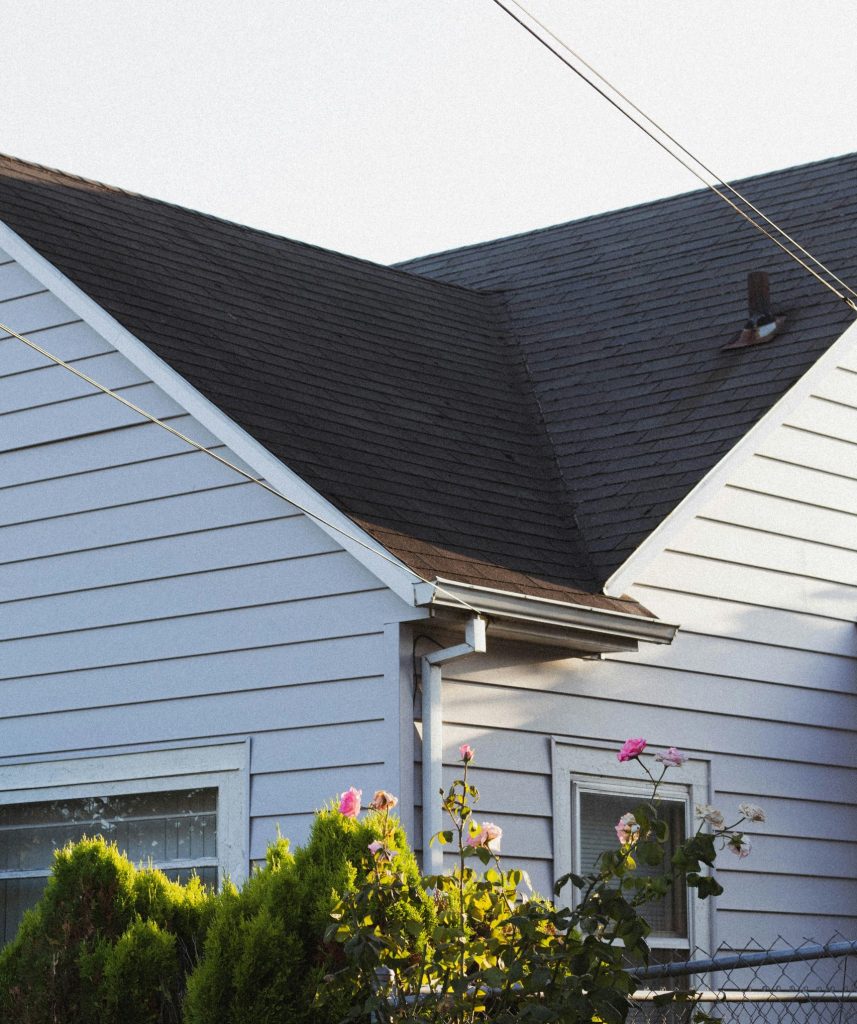

A tile roof leak is rarely as simple as finding the cracked tile directly above the ceiling stain and replacing it. Water that enters a tile roof travels along the underside of the tile system, follows battens and rafters, and often emerges on the ceiling at a point well removed from the actual entry point. Getting the diagnosis right before committing to a repair is what separates a fix that lasts from one that produces a repeat call-out a season later.
Our inspection process for a leaking tile roof follows a systematic approach. We start from inside the house, noting the location, shape, and extent of any staining or damp. A stain that is spread along a ceiling line and grows toward a wall typically indicates water tracking along a batten or rafter from a higher entry point. A stain concentrated directly beneath a skylight or chimney more reliably points to a flashing fault at that penetration.
We then inspect the roof surface from above, working through the most likely fault categories in order of probability given the stain location. On an older Newcastle tile roof, the ridge and hip capping, valley gutters, and flashings are examined first because these are the most statistically common sources of water entry. We check each tile in the suspect area, look for displaced or cracked material, probe mortar for integrity, and inspect sealants at all junctions.
Where the source is not immediately obvious, inspection of the ceiling cavity from within using a torch, a moisture meter, or attending after a rain event while the roof is still wet can confirm the travel path of the water and identify the entry point more precisely. In genuinely ambiguous cases, controlled water testing, systematically wetting sections of the roof while observing from inside, provides the definitive answer.
Once the source is confirmed, we carry out the appropriate repair and advise you if the inspection has identified any other developing issues that will need attention in the future. Our Roof Leak page explains the diagnostic process in more detail.
One aspect of tile roof repair that surprises some homeowners is the challenge of tile matching. Unlike metal roofing where a damaged sheet can be cut from a matching roll of current stock, tile roofs often present matching complications that are worth understanding before the repair begins.
Concrete tile matching is generally manageable for profiles that are still in production. Most major concrete tile profiles sold in Australia over the past thirty years remain available from suppliers in some form, though colour matching can be complicated by the fact that replacement tiles from current production will be a fresh, unfaded colour while the existing roof has weathered over decades. In practice, replacement tiles on a visible section of the roof will typically look slightly different from the surrounding weathered tiles initially, and this difference fades gradually over one to two years of weathering. On less visible sections rear slopes, hip facets facing away from the street the difference matters less.
Terracotta tile matching is more challenging, particularly for profiles from manufacturers that are no longer operating or for profiles discontinued many years ago. Options in difficult matching situations include sourcing salvaged tiles from demolition companies that stockpile old terracotta, using a close profile from a current manufacturer where the difference will be minimal, or, where a visible section has extensive damage, re-tiling a full slope or section to produce a consistent appearance rather than a patchwork repair. We discuss the realistic matching options for your specific situation during the inspection rather than proceeding without your agreement.
Mortar and pointing colour matching for ridge and hip capping repairs is similarly worth discussing. Existing mortar on an older roof has often discoloured with age, and fresh mortar will stand out initially. Pigmented polymer-modified pointing compounds are available in a range of tones that can be selected to approximate the existing mortar colour, minimising the visual contrast.
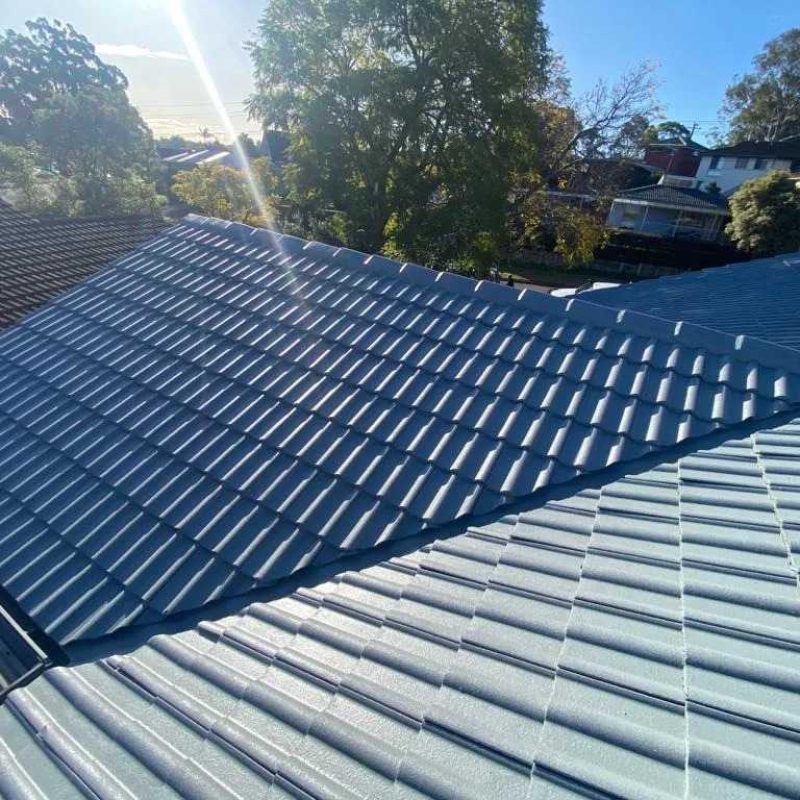
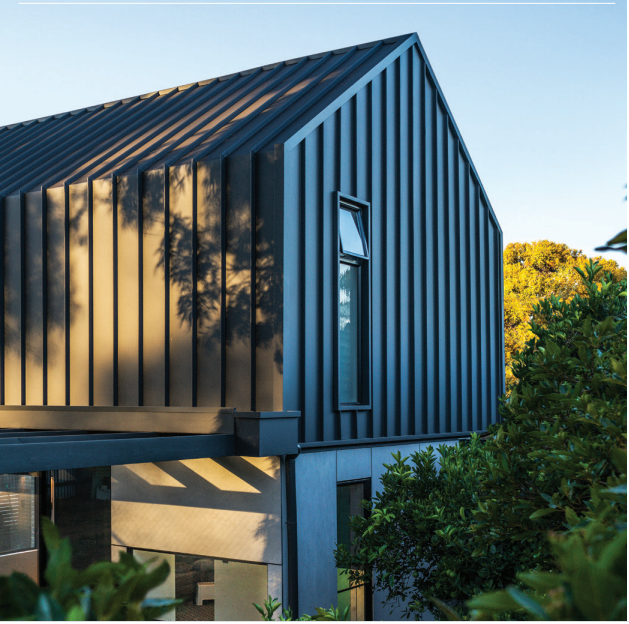
Most tile roof faults are genuinely repair problems isolated faults on an otherwise sound roof that a targeted repair will resolve cleanly and durably. But sometimes what presents as a single fault is a signal of broader roof deterioration, and recognising that distinction is an important part of what we do during the inspection.
The key indicators that repairs alone are not the appropriate response are when the fault is one of several developing problems distributed across the roof surface rather than a single isolated issue; when the tile surface coating has broken down across most of the roof and is now attracting moss growth and accelerating further deterioration; when the ridge capping is failing along its full length rather than in a localised section; or when the sarking beneath the tiles has deteriorated to the point where it can no longer serve as a secondary barrier.
In these situations, a series of individual repairs will keep pace with the deterioration for a period but will not address the underlying condition of the roof. A roof restoration treats the whole system cleaning, repairing, re-bedding ridge capping, and applying a fresh protective coating and is typically more cost-effective over a five-year horizon than continued reactive repairs. For roofs where deterioration has progressed to the point where restoration is not the right investment, our Roof Replacement page covers what that process involves.
We will tell you clearly which situation your roof falls into after the inspection. There is no benefit to us in recommending repairs on a roof that genuinely needs restoration, or restoration on a roof that needs replacement. Our reputation is built on honest assessments, and we will provide the recommendation that serves your property’s long-term interests.
If a tile has been displaced or broken in a storm and you need urgent attention outside business hours, our 24/7 Emergency Repairs and Make Safes service is available at any time.
How do I know if my tile roof needs a repair or a full restoration?
The difference comes down to whether the problems are isolated or widespread. A single cracked tile, a failed flashing, or a short section of loose ridge capping on an otherwise sound roof is a repair job. If the inspection reveals deteriorating surface coating across most of the roof, ridge capping failing along its full length, multiple small weatherproofing faults, and growing moss coverage, a restoration addresses all of it more efficiently than individual repairs. Our inspection gives you a clear recommendation based on what the roof actually shows.
Can you fix just a couple of tiles or do you have a minimum call-out scope?
Yes, we carry out small tile repairs as standalone jobs. A cracked tile or two displaced tiles is a legitimate repair call-out, and addressing it quickly is far better than waiting until the fault causes water damage. We will also carry out a general condition check of the surrounding area while we are on the roof and advise you of anything else that needs attention, which is useful context for planning future maintenance.
My ceiling has a water stain but I cannot see any obvious damage from the ground. What should I do?
Call us for an inspection. The majority of tile roof leaks are not visible from ground level cracked tiles, failed flashings, deteriorated ridge mortar, and damaged valley gutters all require close-up examination from the roof surface to identify. Waiting for the problem to become obvious from the ground means waiting for it to get significantly worse. An inspection will find the source and give you a clear repair recommendation. Our Roof Leak page explains how we approach leak diagnosis.
How long does a tile roof repair take?
Most straightforward tile repairs replacing a small number of broken tiles, repointing a section of ridge capping, resealing a failed flashing are completed within a few hours on the same day as the inspection. More involved repairs, such as valley replacement or larger sections of re-bedding, may take a full day. We give you a realistic timeframe as part of the quote before any work begins.
Will the repaired tiles look different from the rest of the roof?
New or replacement tiles will typically look slightly different from weathered existing tiles initially, particularly in terms of colour intensity. This is a normal characteristic of tile repairs and the difference fades as the new material weathers to match the surrounding roof. On less visible roof sections the visual difference is rarely a concern. Where appearance on a prominent section is a priority, we can discuss salvaged tile options or profile and colour matching in more detail during the quoting process.
Does a tile repair affect my home insurance?
General wear, gradual deterioration, and lack of maintenance are not covered by standard home insurance. Sudden damage from a storm or impact event a hail strike that cracks tiles, a branch that breaks through is typically claimable depending on your policy conditions. We can provide written reports and photographic documentation of storm damage to support an insurance claim where relevant. If an emergency make-safe is needed before the claim is processed, our 24/7 Emergency Repairs and Make Safes service responds at any hour and we document the damage at the time of the call-out.
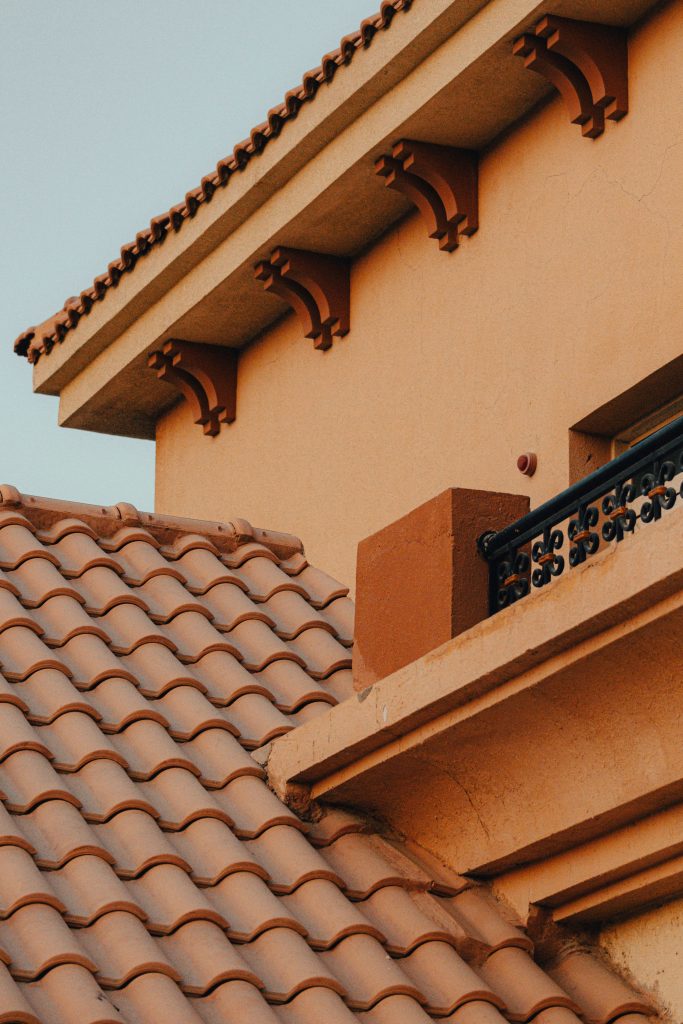
Call Newcastle Tile and Metal Roofing on (02) 4071 6013 or visit our Contact Us page to arrange an inspection and repair quote. We are available Monday to Sunday, 24 hours a day.

Opening Hours: Monday to Sunday – 24 hours