
Ridge capping sits at the very top of your roof, sealing the line where two roof planes meet. It is one of the most exposed and weathered parts of any tiled roof, and it is also one of the most frequently overlooked until something goes visibly wrong. Cracked mortar, loose caps, and failed pointing along the ridge line are among the leading causes of roof leaks in older Newcastle homes, and in many cases the problem has been developing quietly for years before water finds its way inside.
Newcastle Tile and Metal Roofing provides ridge capping restoration, re-bedding, and repointing services across Newcastle and the surrounding region. Call us on (02) 4071 6013 for a free quote, or read on to understand what is involved and whether your ridge capping needs attention.
Ridge capping refers to the shaped tiles or formed pieces that run along the apex of a pitched roof, covering the exposed junction between the two roof surfaces. On a standard concrete or terracotta tile roof, these caps are bedded in mortar and then pointed with a flexible sealant compound along their edges to create a weathertight seal.
The mortar bed is what holds each cap in place. The pointing is what keeps water from tracking down behind the cap and into the roof structure. Both have a finite lifespan.
Over time, the mortar bed dries out, shrinks, and develops cracks. Thermal expansion and contraction from Newcastle’s seasonal temperature swings accelerates this process, gradually loosening the bond between the cap and the roof. Once the bed is compromised, individual caps can shift or lift, and gaps open up along the ridge line that funnel water directly into the roof cavity during rain.
The pointing compound deteriorates in a similar way. Older roofs were often pointed with a rigid cement-based mix that cracks and falls away as it ages. Modern pointing uses a polymer-modified or flexible compound that handles movement better, but even this needs renewal every ten to fifteen years depending on the level of sun and weather exposure.
The result of either failure is the same: water enters through the ridge line, travels down the underside of the tile battens, and eventually shows up as a ceiling stain or active drip, often at a point well away from the actual entry point. If you have noticed ceiling staining after heavy rain, particularly near the highest point of your ceiling, failed ridge capping is one of the first things to investigate. Our Roof Leak page explains how we locate and trace the source of leaks that may originate at the ridge.
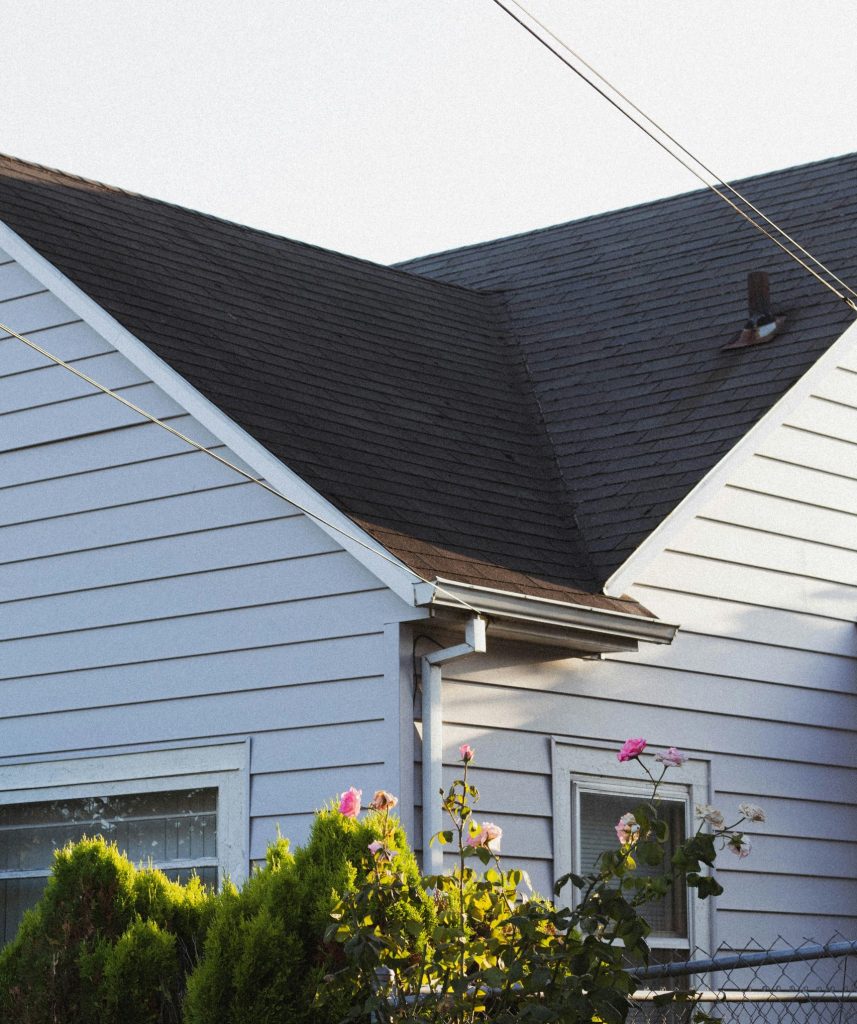

Re-bedding and repointing are the two core components of ridge capping restoration, and it is important to understand what each involves so you know what you are getting when you request a quote.
Re-bedding is the process of removing the existing ridge caps, clearing away the old mortar bed entirely, and re-laying the caps in fresh mortar. This is necessary when the existing bed has deteriorated to the point that it can no longer hold the caps securely. It is a more involved process than repointing alone, but it is the only correct approach when the structural bond has failed. Simply applying new pointing over a compromised bed is a short-term fix that will not hold.
Repointing refers to the application of fresh pointing compound along the edges and joints of the ridge caps after the bed has been confirmed to be in sound condition. It seals the gaps that allow water entry and restores the flexible weatherproofing layer around each cap. On roofs where the bedding is still secure but the pointing has cracked or fallen away, repointing alone may be all that is needed.
When we inspect a ridge line, we assess both elements separately and recommend only the work that is genuinely required. If the bedding is still sound, we will not suggest re-bedding simply to increase the scope of work. If re-bedding is needed, we will show you the evidence and explain why repointing alone would not be a lasting solution.
Ridge capping work is frequently carried out as part of a broader roof restoration or restoration and remediation project, but it can also be quoted and completed as a standalone job.
Because the ridge sits at the top of the roof, most homeowners never get a clear view of its condition. Here are the signs that can be spotted from ground level or from inside the home that suggest ridge capping work is due.
Visible gaps or cracks along the ridge line. On a sunny day, standing back from the property and looking along the ridge, you may be able to see mortar that has crumbled away, caps that have shifted out of alignment, or sections where the pointing has shrunk and separated from the tile surface.
Pieces of mortar or pointing on the ground or in the gutters. Fragments of old cement mortar falling from the ridge line are a direct indicator that the bedding is breaking down. This is worth taking seriously even if no leak has appeared yet.
Moss or lichen growth concentrated along the ridge. Organic growth on the ridge caps themselves is a sign that moisture is being retained in areas where it should not be, which accelerates deterioration of both the mortar and the cap material.
Ceiling stains near the centre or highest point of the room. Water tracking in from the ridge line tends to pool at the apex of the ceiling cavity before finding a path down. Staining in this location after rain is a strong indicator that the ridge is the source.
A roof that is fifteen or more years old with no ridge work in its history. Even without obvious symptoms, a roof of this age that has never had its ridge capping inspected is overdue for a professional check. Our Roof Maintenance service includes ridge line inspection as a standard part of any visit.
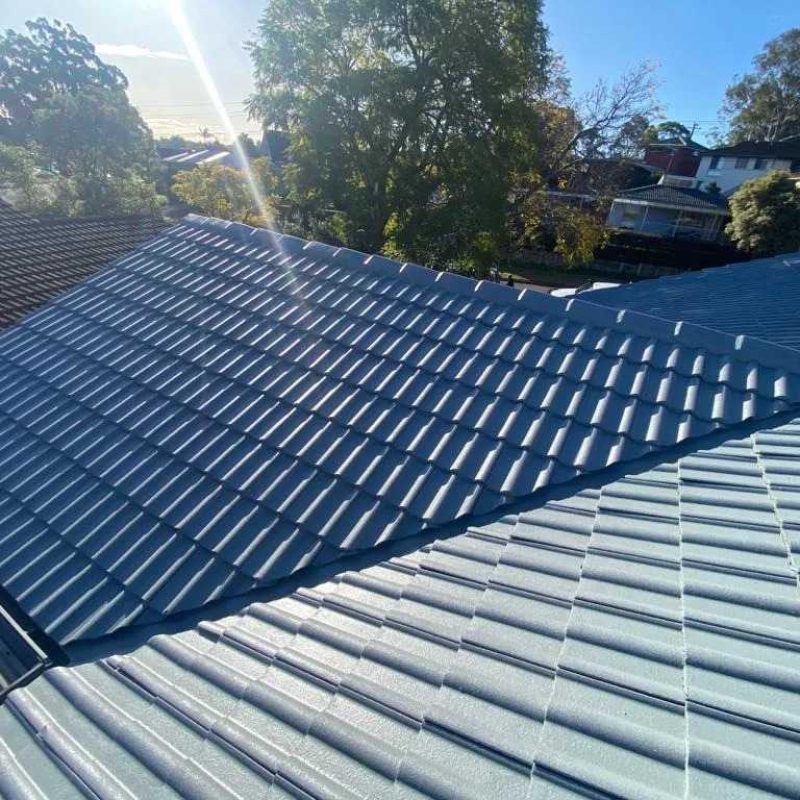
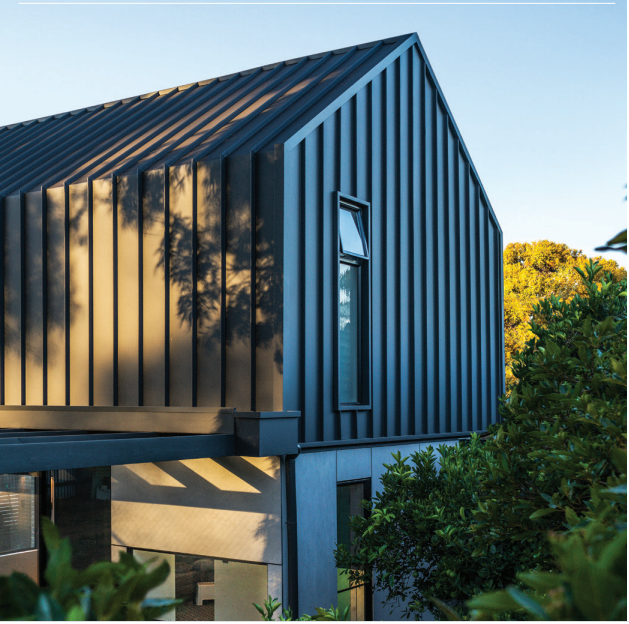
Our approach to ridge capping restoration follows a consistent sequence that ensures the work is done correctly and lasts.
Inspection first. Before any work begins, we carry out a close inspection of the full ridge line, assessing the condition of the existing mortar bed, the pointing, and each individual cap. We check for caps that have cracked or broken under thermal stress, sections where the bed has completely detached, and areas where the pointing has failed. We photograph what we find so the scope of work is clear and agreed before we start.
Removal of old material. Where re-bedding is required, the existing caps are carefully lifted and the old mortar is removed from both the cap and the roof surface below. On repointing-only jobs, the deteriorated pointing is cut back and cleared before new material is applied.
Re-bedding with fresh mortar. Caps are re-laid in a fresh mortar bed mixed to the correct consistency for the application. The bed is shaped to ensure water is directed away from the ridge rather than pooling against it.
Flexible pointing compound. Once the bed has set, a polymer-modified pointing compound is applied along all edges and joints. This material accommodates the normal thermal movement of a roof without cracking, which is why it significantly outlasts the rigid cement-based pointing used on older installations.
Final check and clean-up. We inspect the finished ridge line to confirm the work is sound, clean up any mortar debris from the roof surface and gutters, and provide you with a summary of the work completed. If the inspection identified other issues elsewhere on the roof, we will flag those separately so you can decide how to proceed.
If storm damage has dislodged caps urgently and you need same-day stabilisation, our 24/7 Emergency Repairs and Make Safes service covers emergency ridge capping work at any hour.
How long does re-bedded ridge capping last?
A correctly re-bedded and repointed ridge using modern flexible pointing compounds should last fifteen to twenty years in typical Newcastle conditions. Coastal properties with higher salt and wind exposure may be at the shorter end of that range. Periodic inspection during routine roof maintenance visits will catch any early signs of deterioration before they develop into a leak.
Can I just repoint without re-bedding to save money?
If the mortar bed is structurally sound, repointing is the correct and sufficient approach, and it is a meaningful cost saving. However, applying new pointing over a failed or crumbling bed is a false economy. The pointing will not hold where the underlying mortar has lost its bond, and the caps will continue to shift and loosen underneath the fresh surface. Our inspection will tell you clearly which situation applies to your roof.
Will failed ridge capping always cause a leak?
Not immediately, but it is only a matter of time. Small gaps in the pointing may allow minor water ingress that is absorbed by the roof sarking or dries out before reaching the ceiling. Over time, as the gaps widen and the cap movement increases, the volume of water entering the roof cavity grows until it exceeds what the structure can handle. Addressing ridge capping early, before the leak appears, is always less disruptive and less expensive than waiting.
My ridge capping looks fine from the ground. Do I still need an inspection?
Ground-level observation has real limits. Cracks in the mortar bed, separation between the pointing and the cap edge, and early-stage cap movement are not always visible without getting close to the ridge. If your roof is fifteen or more years old and has not been professionally checked, an inspection is worthwhile regardless of how it looks from the street. We can include a ridge line assessment as part of a broader roof repairs or maintenance visit.
Is ridge capping restoration covered by home insurance?
General wear and deterioration is not covered by standard home insurance policies. However, if a storm event has caused specific damage to ridge capping, such as caps being physically dislodged or cracked by impact, that damage may be claimable depending on your policy. We can provide written reports and photographic documentation to support a claim where relevant.
Do you restore ridge capping on hip roofs and not just gabled roofs?
Yes. Hip roofs have ridge capping along the central ridge line as well as along each hip rafter, all of which require the same bedding and pointing maintenance over time. The hip sections are often the first to show movement because they are exposed on multiple sides. We assess and restore all ridge and hip capping as part of our service.
Call Newcastle Tile and Metal Roofing on (02) 4071 6013 or visit our Contact Us page to arrange a free assessment. We are available Monday to Sunday, 24 hours

Opening Hours: Monday to Sunday – 24 hours