
Tile roofing has been the dominant choice for residential construction across Newcastle and the Hunter region for most of the past century. The prevalence of tile roofs in the area is a reflection of their genuine strengths thermal mass, acoustic performance, visual appeal, and longevity when properly maintained. Whether you are building new, retiling an existing roof, repairing a damaged section, or deciding whether to maintain or replace an aging tile system, understanding what tile roofing involves and how it performs in Newcastle’s specific conditions is a useful starting point.
Newcastle Tile and Metal Roofing works across the full range of tile roofing services installation, repair, restoration, and replacement for residential and commercial properties throughout the Newcastle region. Call us on (02) 4071 6013 for a free quote or inspection, or read on to understand your options.
The two primary tile types used on Newcastle roofs are concrete and terracotta, and while they serve the same function, they differ meaningfully in their material properties, longevity, weight, and maintenance requirements. Understanding the distinction helps in making the right choice for a new installation or replacement project, and in knowing what to expect from the tile system already on your home.
Concrete tiles are the more common of the two across Newcastle’s residential stock, particularly in homes built from the 1970s onwards. They are manufactured from a sand, cement, and water mix that is pressed and cured under controlled conditions, then coated with a pigmented surface finish. Modern concrete tiles perform well and are available in a wide range of profiles and colours. Their surface coating, however, is the element that requires attention over time. As the coating breaks down typically from around fifteen to twenty years onwards the tile becomes increasingly porous, absorbing moisture and becoming susceptible to surface cracking, moss and lichen colonisation, and accelerated weathering. A roof restoration at the right time renews the surface protection and extends the roof’s service life significantly. Left too long without maintenance, a concrete tile roof reaches a point where the cost of thorough preparation brings it close to replacement cost.
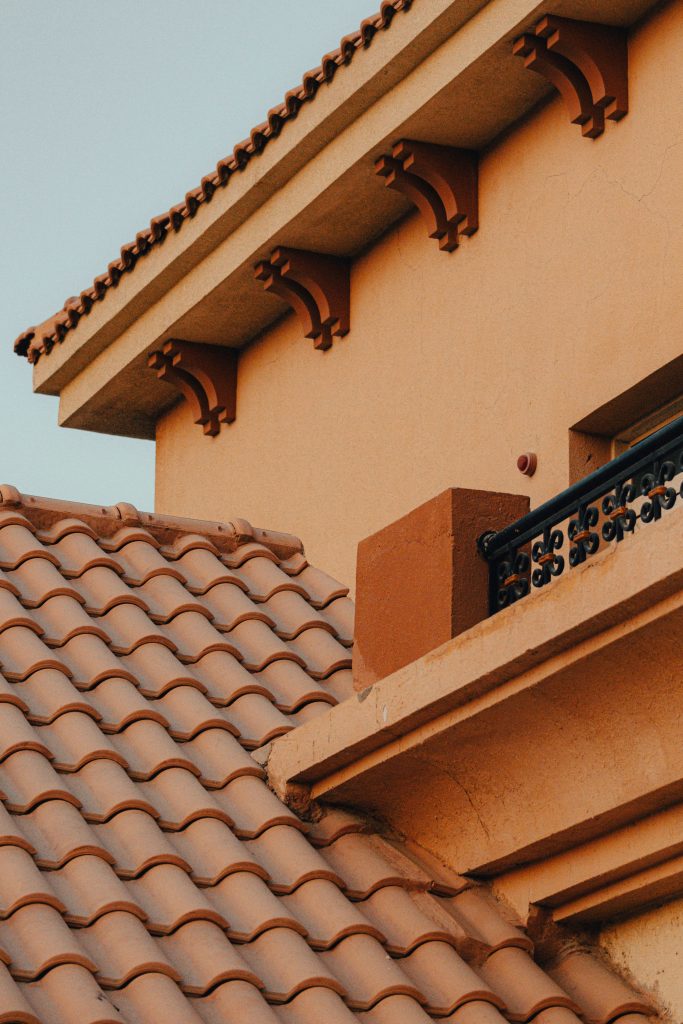
Terracotta tiles are fired clay products that have been used in roofing for thousands of years, and their track record of longevity is genuinely exceptional. High-quality terracotta does not have a surface coating in the same sense as concrete the material itself is the weather surface, and it does not degrade in the same way. A well-maintained terracotta roof can last well over a century. The trade-offs are weight and cost. Terracotta tiles are significantly heavier than concrete, requiring a roof structure that is engineered or confirmed capable of carrying the load. They are also more expensive, both in the tile cost itself and in the care required during handling and installation to avoid breakage. For properties where the structure is appropriate and longevity is the priority, terracotta is among the best roofing investments available.
Both tile types require attention to the ridge capping, flashings, and valley gutters that form part of the overall roof system, regardless of the tile’s own condition. A terracotta tile roof in excellent condition can still leak if the ridge mortar has failed or the valley flashings have corroded. Our Ridge Capping Restoration and Metal Roofing and Flashings pages cover these elements in detail.
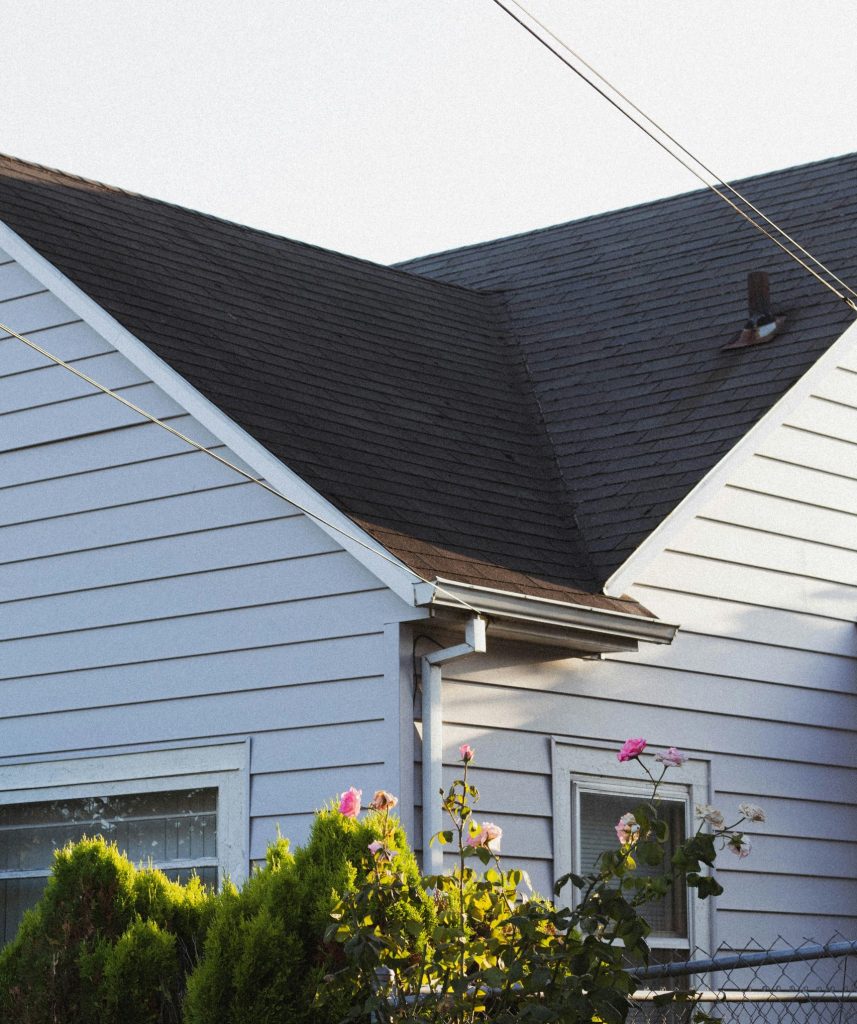

A tile roof installation involves more than laying tiles on a frame. The system’s performance depends on the quality of every element beneath the tiles — the sarking, the battens, the flashings, and the ridge and hip capping — as much as on the tiles themselves. Cutting corners on any of these elements produces a roof that underperforms or develops problems well before its time.
New installations begin with the installation of roof sarking over the rafters. Sarking provides a secondary weatherproof barrier beneath the tile system, captures any water that manages to get past the tiles, and directs it to the gutters. It also contributes to the thermal and acoustic performance of the roof system. Modern reflective sarking products can meaningfully reduce heat transfer into the ceiling cavity compared to older non-reflective materials.
Battens are then fixed over the sarking, spaced to suit the tile gauge the measurement that determines how much of each tile is exposed. Correct batten spacing is critical because tiles that are under or over their design gauge do not lap correctly and are more vulnerable to wind uplift and water entry. Battens should be straight-grained, properly seasoned timber, fixed correctly to the rafter frame.
Tiles are laid from the eave up to the ridge, with each course overlapping the course below. At ridges, hips, and valleys, the system is completed with ridge capping bedded and pointed in mortar, hip tiles, and formed valley gutters. All penetrations antennae brackets, plumbing vents, exhaust fans, skylights are flashed and sealed.
Re-tiling follows the same process after the existing tiles, battens, and sarking have been stripped and any structural issues revealed by the strip have been addressed. Re-tiling is often the stage at which a decision is made to switch from tiles to Colorbond or another metal roofing system, and we are equally comfortable recommending whichever system is the better fit for the property rather than defaulting to one material.
Tile roofs benefit significantly from regular maintenance, and in Newcastle’s climate the case for it is particularly strong. The region’s combination of coastal humidity, storm exposure, heavy tree coverage in many suburbs, and warm summers creates conditions that accelerate several of the key deterioration mechanisms affecting tile systems.
Moss and lichen management is one of the most important maintenance tasks on a tile roof in Newcastle. Both organisms thrive in the damp, shaded conditions found on roofs with any tree coverage or southerly aspect. Left unmanaged, moss and lichen penetrate tile surfaces, trap moisture, and gradually accelerate surface breakdown. Periodic cleaning and application of a biological wash treatment removes existing growth and inhibits regrowth. Where growth has been allowed to establish for an extended period, high-pressure cleaning as part of a roof restoration is often necessary to properly prepare the surface.
Ridge capping inspection should be carried out every two years at minimum. The mortar bed and pointing along the ridge are the most maintenance-intensive elements of any tile roof, and Newcastle’s thermal cycling accelerates their deterioration. Catching early-stage cracking and repointing before gaps open up is far less expensive than dealing with the water damage that follows if the ridge is neglected. Our Ridge Capping Restoration page explains what the repair process involves.
Gutter and valley clearing is essential after storms and during leaf-fall periods. Blocked valleys cause water to back up under the adjacent tiles, and blocked gutters can allow overflow to wet the fascia and eave structure. In heavily treed Newcastle suburbs, quarterly gutter clearing is not an overstatement for some properties.
Flashing inspection and re-sealing should be part of every routine roof inspection. Sealants around flashings have a finite lifespan and need periodic renewal to prevent water entry at wall junctions, chimneys, and penetrations.
Our Roof Maintenance service covers all of these elements in a scheduled inspection visit and provides a written report of the roof’s condition and any items that need attention.
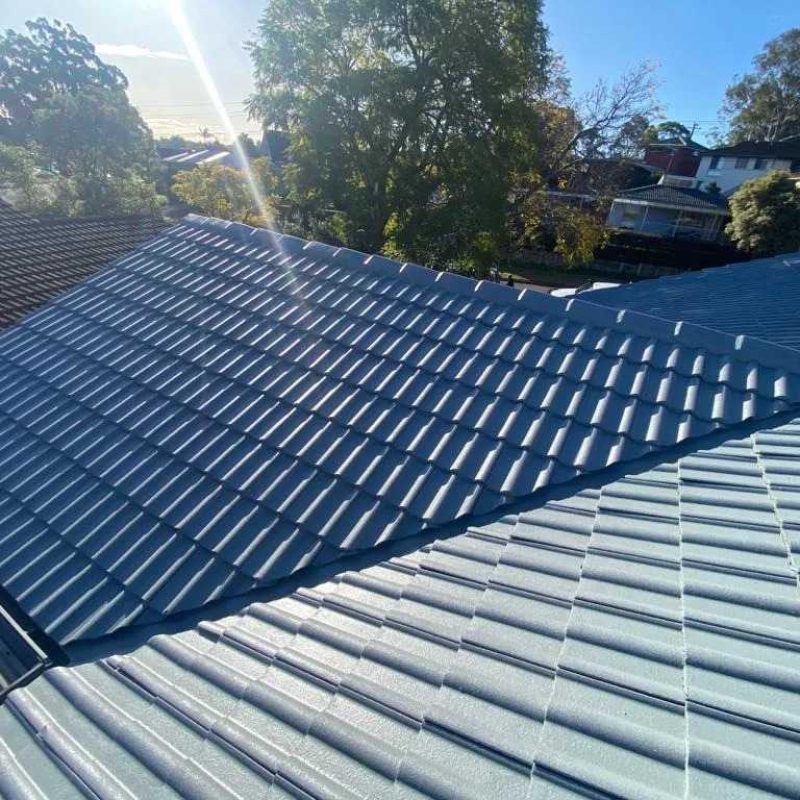
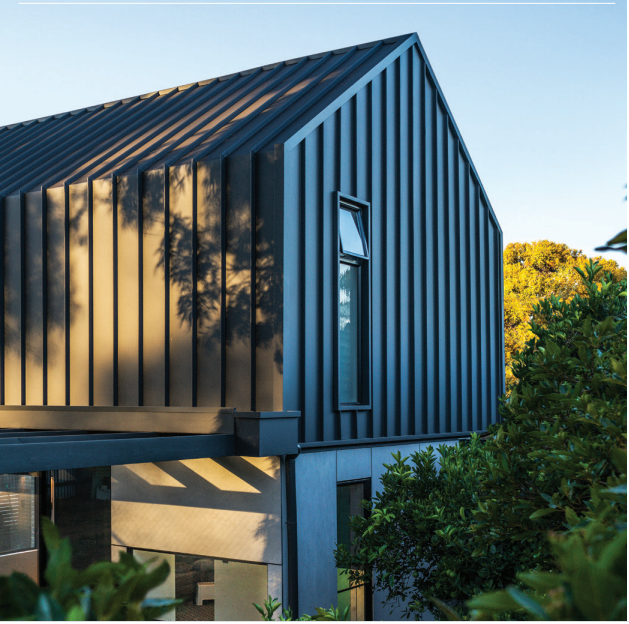
Tile roofs are inherently repairable in a way that metal roofs are not individual tiles can be replaced without disturbing the surrounding roof system, provided matching stock is available. This makes targeted repairs a practical and cost-effective response to isolated faults, and most tile roof problems do not require anything more than a well-executed repair to restore performance.
Cracked and broken tile replacement is the most common repair task. Tiles can crack from hail impact, foot traffic during maintenance or tradework, falling branches, or thermal stress over time. A cracked tile does not always produce an immediate leak the sarking beneath provides a secondary barrier but a broken tile sitting on the sarking allows water to pool on the membrane, which accelerates its deterioration. Replacing individual broken tiles promptly is the most effective way to protect the sarking and the structure below it.
Slipped and displaced tile correction occurs when tiles have moved out of their correct position on the battens, either from wind uplift, batten shrinkage, or inadequate fixing at installation. Displaced tiles leave gaps in the overlap pattern that allow water entry. Re-seating displaced tiles and, where necessary, mechanically fixing them to prevent recurrence is a straightforward repair.
Valley gutter repair and replacement addresses one of the more significant potential leak sources on a tile roof. Metal valley gutters corrode over time, and mortar-pointed valleys crack and allow water entry. Valley repair or replacement is typically needed on roofs over twenty-five years of age where the valley has not previously been addressed.
Flashing repair and replacement covers the range of metal junctions around chimneys, skylights, parapet walls, and side walls. Failed flashings are among the most frequent causes of chronic leaks and are covered in detail on our Metal Roofing and Flashings page.
For urgent repairs following storm damage, our 24/7 Emergency Repairs and Make Safes service is available at any hour. Our Roof Repairs page covers the full range of repair work we carry out and how we approach diagnosis and scoping.
How long does a tile roof last in Newcastle?
Concrete tiles have a practical service life of around forty to fifty years when maintained correctly, with restoration work typically needed at the fifteen to twenty-five year mark to renew the surface protection. Terracotta tiles, being a fired clay product rather than a coated cement product, can last considerably longer with appropriate maintenance well over a century for quality material. The elements that typically limit a tile roof’s life before the tiles themselves fail are the ridge capping mortar, the sarking, and the battens, all of which can be renewed without replacing the tiles.
Can you match replacement tiles to my existing roof?
For common concrete tile profiles that are still in production, matching is generally straightforward. For profiles that have been discontinued or for terracotta tiles from older homes, an exact match can be more difficult. In practice, there is often a visible difference between a new tile and a weathered tile that has been on the roof for decades, regardless of profile match. We discuss the realistic outcome of tile matching with you before proceeding with any repair that involves tile replacement.
My tile roof is forty years old. Should I restore it or replace it?
Age alone does not determine the answer the condition of the specific roof does. A forty-year-old concrete tile roof that has been regularly maintained and has sound structure may be an excellent restoration candidate. The same age roof that has been neglected, has widespread tile breakage, deteriorated sarking, and rotted battens may be past the point where restoration is the better investment. Our inspection process gives you a clear, evidence-based recommendation for your specific roof. Both our Roof Restoration and Roof Replacement pages explain both paths in detail.
Are tile roofs better than metal roofs?
Neither system is objectively better they have different strengths that suit different situations. Tile roofs offer better thermal mass, meaning they absorb heat slowly and release it gradually, which can moderate temperature fluctuations in the ceiling cavity. They also offer better acoustic performance in rain. Metal roofs are lighter, require less maintenance, shed water more rapidly, and perform well in coastal environments with the correct product specification. The right choice depends on the specific property, its structure, its location, and the owner’s priorities. We are happy to discuss both options without a preference for one over the other.
What causes tiles to crack and is there anything I can do to prevent it?
The most common causes of cracked tiles are hail impact, foot traffic from trades accessing the roof for other work, falling branches or debris, and thermal stress over time particularly on older tiles where the surface has become more brittle. Preventing hail damage is not practical, but ensuring that anyone accessing your roof for antenna work, solar installation, or similar tasks uses proper roof boards to distribute their weight significantly reduces the risk of accidental tile cracking. Regular roof maintenance inspections also catch early-stage stress fractures before they develop into through-cracks that allow water entry.
Do tile roofs need gutters cleaned more often than metal roofs?
Tile roofs accumulate moss, lichen debris, and grit from the tile surface in gutters over time, in addition to the leaf litter that any roof collects. This means gutters on tile roofs can block somewhat faster than those on clean metal surfaces in comparable tree coverage situations. For properties with significant tree coverage, we recommend gutter clearing at least twice a year regardless of roof type, with additional clearing after major storm events. Properties with minimal tree coverage can typically manage with an annual clean as part of a routine roof maintenance visit.
Call Newcastle Tile and Metal Roofing on (02) 4071 6013 or visit our Contact Us page to arrange a free inspection and quote. We are available Monday to Sunday, 24 hours a day.

Opening Hours: Monday to Sunday – 24 hours