Metal roofing has become the dominant choice for new roof installations and replacements across Newcastle and the broader Hunter region. It is lightweight, durable, low maintenance, and well suited to the coastal and storm-prone conditions the area regularly experiences. Whether you are building a new home, replacing an aging tile roof, or dealing with repairs on an existing metal system, understanding what metal roofing involves and how it performs in this specific climate is a useful foundation for any decision.
Newcastle Tile and Metal Roofing installs, repairs, and maintains metal roofing systems across Newcastle and the surrounding region for both residential and commercial properties. Call us on (02) 4071 6013 for a free quote or inspection.
Metal roofing is not a single product it is a broad category that includes several distinct systems, each with different profiles, fixing methods, performance characteristics, and appropriate applications. Understanding the differences helps in choosing the right system for a new installation or knowing what is already on your home and what its maintenance needs are.
Colorbond steel is the most widely used metal roofing product in Australia, and for good reason. Manufactured by BlueScope, it is a multi-layer composite product that combines high-strength steel with a zinc-aluminium alloy corrosion protection layer and a durable baked-on paint finish. Colorbond is available in a range of profiles including corrugated, Trimdek, and Kliplok, and in a palette of over twenty standard colours. It carries a manufacturer warranty of up to 36 years for the steel substrate in standard residential applications. Our dedicated Colorbond Roofing page covers the product in full detail including coastal specifications, profile selection, and installation types.
Corrugated galvanised iron commonly referred to as CGI or simply corrugated iron is the older generation of metal roofing still present on many Newcastle homes, particularly those built before the 1980s. Unlike Colorbond, which has a baked-on paint finish, traditional corrugated iron relies on a zinc galvanising coat for corrosion protection. This coating is effective when intact but has a finite lifespan, particularly in coastal environments, and corrugated iron roofs on older Newcastle homes are frequently at or past the point where re-sheeting or replacement is warranted.
Standing seam and Kliplok systems are concealed-fix profiles where the sheets interlock over a raised seam without any exposed fasteners penetrating the sheet surface. These systems are essential on low-pitched roofs where exposed screws would be at risk of allowing water entry, and they are widely used on contemporary residential and commercial designs where a clean roof surface is part of the architectural intent. Kliplok is the most common concealed-fix system in Australian residential construction.
Zincalume is the unpainted base product that sits beneath Colorbond’s paint finish. It is available as a roofing material in its own right and is used in some agricultural and commercial applications where appearance is less of a priority. In residential Newcastle contexts, Colorbond is almost universally preferred over bare Zincalume for its colour options, UV resistance, and superior aesthetic performance.
Steel decking and commercial metal roofing covers the range of profiled steel products used on commercial, industrial, and multi-residential buildings, including trapezoidal profiles and long-span systems that span greater distances between purlins. Commercial metal roofing involves additional considerations around drainage design, penetration sealing, and compliance with commercial building standards.
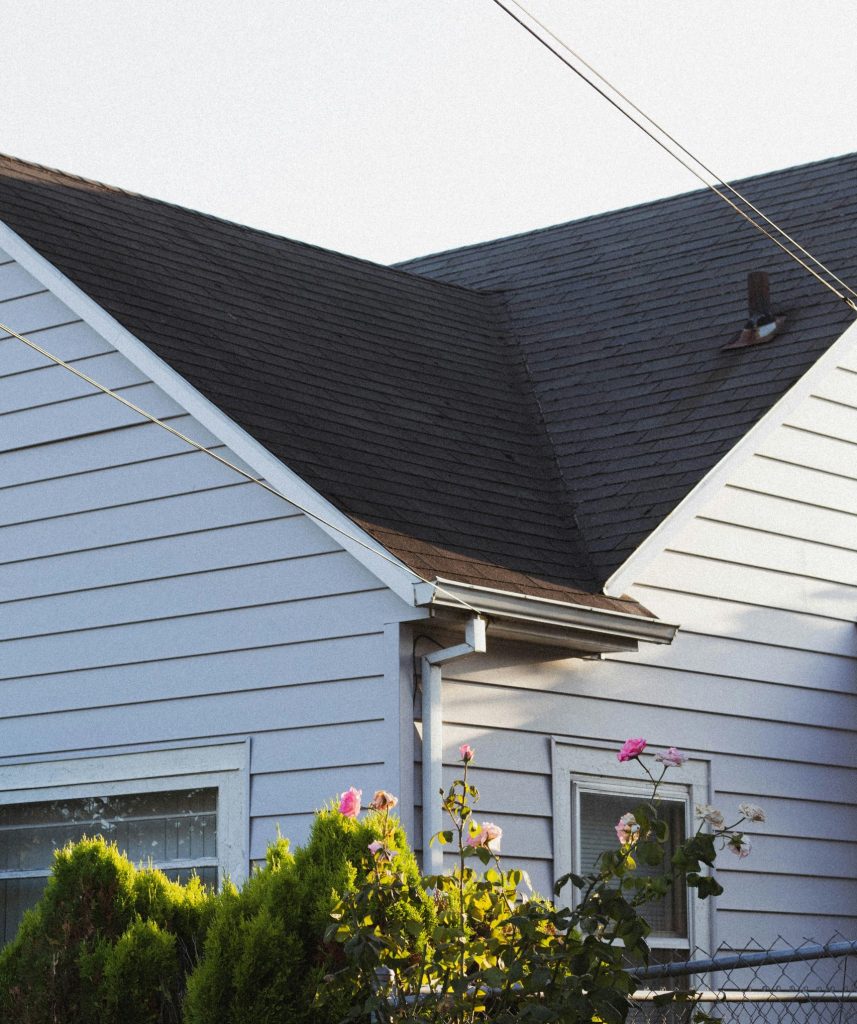
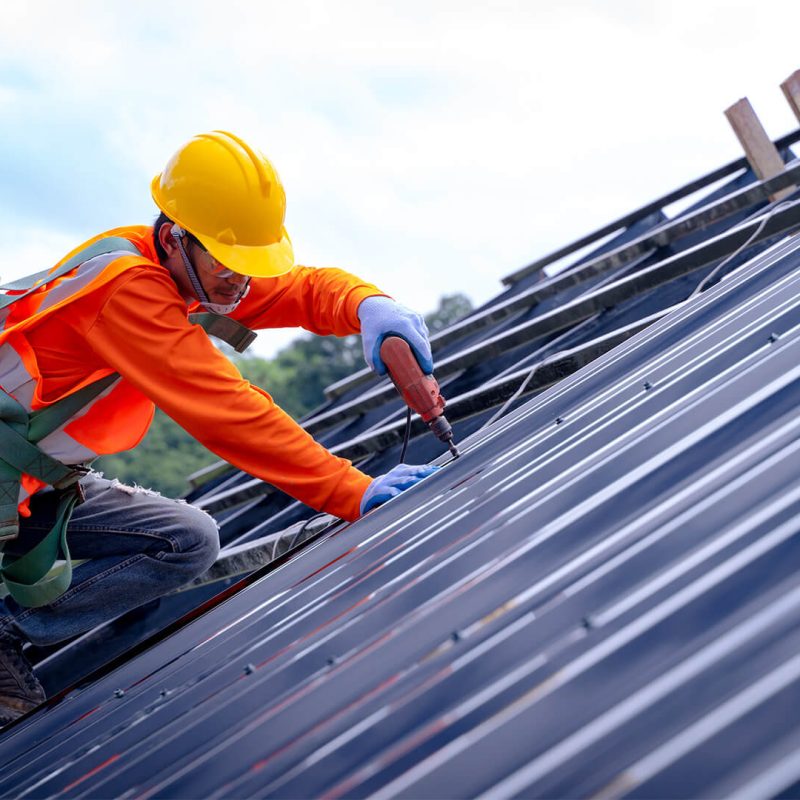
The choice of roofing system should always reflect the specific conditions a roof will face. Newcastle’s climate and geography create a combination of factors that makes metal roofing and Colorbond steel in particular a genuinely well-suited option for the majority of properties in the region.
Storm performance. Newcastle experiences regular severe weather events, including high-wind storms that can exceed 100km/h and hail events that cause widespread roofing damage across the region. A correctly installed metal roof, fixed to the appropriate fastener pattern for the wind classification of the area, performs better in high-wind conditions than individual tile systems where tiles can be displaced or cracked. The continuous sheet nature of a metal roof eliminates the inter-tile gaps that allow wind-driven rain to penetrate a tile system under extreme conditions.
Coastal corrosion resistance. A significant proportion of Newcastle’s residential stock sits within the coastal influence zone where salt-laden air accelerates the corrosion of metal components. Colorbond’s zinc-aluminium alloy base coating is specifically engineered to resist this salt-air corrosion. For properties within approximately one kilometre of breaking surf or tidal water, Colorbond Ultra a product with enhanced corrosion resistance for high-corrosivity environments is the appropriate specification. Our Metal Roofing and Flashings page covers product specification for coastal properties in more detail.
Structural load reduction. Metal roofing is significantly lighter than tile a Colorbond roof imposes roughly ten to fifteen kilograms per square metre on the structure, compared to forty to sixty-five kilograms per square metre for concrete or terracotta tiles. For older Newcastle homes where the roof frame has been carrying a heavy tile load for forty or fifty years, switching to metal during a replacement project reduces the ongoing structural demand and is sometimes the factor that makes a replacement viable without significant frame reinforcement.
Water shedding. Metal roofing sheds water rapidly and cleanly, which is an advantage in high-intensity rainfall events. The smooth surface does not accumulate organic debris in the same way as a porous tile surface, reducing the rate of moss and lichen growth and making gutter management more straightforward.
Thermal performance. Modern Colorbond products incorporate Thermatech solar reflectance technology in the darker colour range, reducing heat absorption through the roof surface. In Newcastle’s warm summers, a metal roof with appropriate insulation beneath it performs well thermally, and the combination of reflective sarking and ceiling insulation produces a ceiling cavity that is significantly cooler than the same roof without these elements.
Metal roofs are generally very durable, but they are not immune to damage and deterioration. Understanding the most common fault types on metal roofing in Newcastle helps in identifying when a repair is needed and what the correct approach looks like.
Fastener failure is the most frequent repair issue on exposed-fix metal roofing. The rubber or neoprene washers under each screw fastener degrade over time from UV exposure and thermal cycling. When a washer perishes, it loses its seal and water can track down the fastener shaft into the roof structure. Perished fasteners do not always produce an obvious drip immediately the water may travel along the batten or rafter for some distance before appearing on the ceiling but they are a reliable source of ongoing minor water ingress. Replacing perished fasteners with new screws and fresh washers is a straightforward repair that eliminates the source permanently.
Surface corrosion can develop on any metal roof where the protective coating has been breached. Common causes include impact scratches from falling branches or foot traffic, cut edges that were not treated with compatible touch-up coating at installation, and areas where fastener holes have allowed moisture to contact the uncoated steel beneath. Early-stage surface rust treated promptly with rust converter and appropriate touch-up coating stops the corrosion from spreading. Neglected rust eventually penetrates through the sheet thickness and requires patch repair or sheet replacement.
Lap sealant failure at sheet overlaps and around penetrations allows water entry when the sealant has dried, cracked, or separated from the metal surface. Re-sealing deteriorated lap joints and penetrations is a maintenance repair that is needed on most metal roofs as they age, typically at the ten to fifteen year mark depending on product quality and sun exposure.
Impact and physical damage from falling branches, hail, or foot traffic can dent, crease, or puncture metal sheets. Minor denting does not typically affect weatherproofing, but creases that have broken the surface coating or physical punctures require repair. Individual sheets or sections can be replaced without disturbing the rest of the roof system.
Flashing failures are as common on metal roofs as on tile roofs. The metal junctions around chimneys, skylights, parapet walls, and side walls use sealants and formed flashings that require periodic renewal. Failed flashings are a primary cause of chronic leaks on metal roofs and are covered in detail on our Metal Roofing and Flashings page.
For urgent storm damage repairs, our 24/7 Emergency Repairs and Make Safes service is available at any hour. For broader repair needs, our Roof Repairs page covers the full range of work we carry out across all roof types.
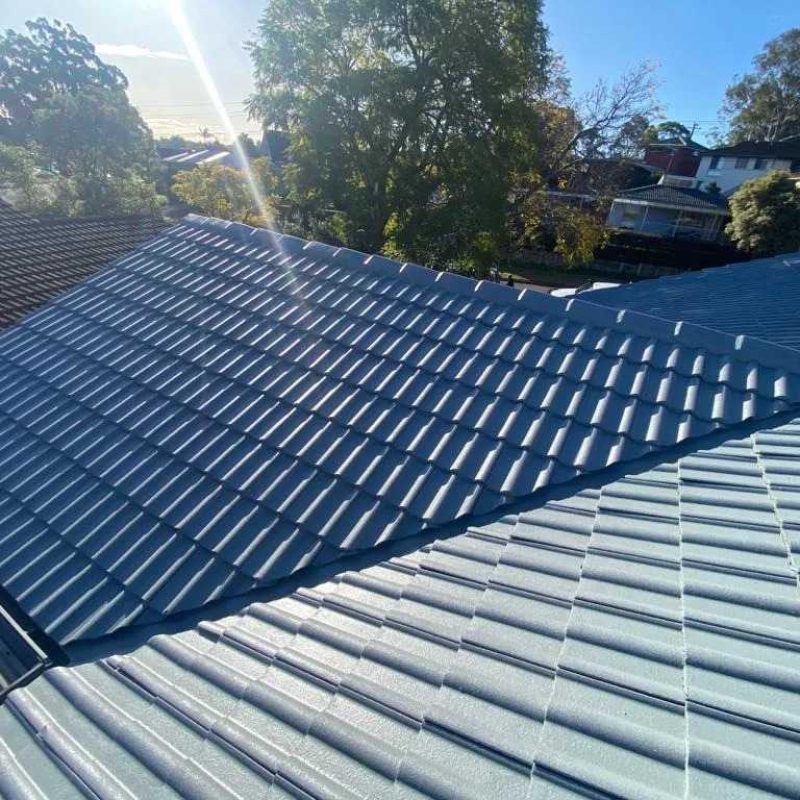
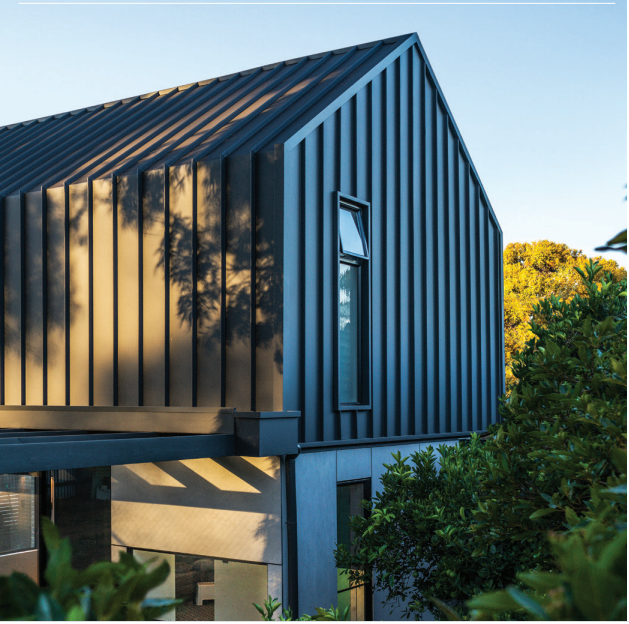
The performance of a metal roof over its service life is determined primarily by the quality of the installation. Correctly specified products, appropriate fastener patterns for the wind region, properly formed and sealed flashings, and correctly installed sarking and insulation all contribute to a roof that performs as intended for decades. Shortcuts in any of these areas produce problems that emerge within a few years.
New installations on new builds involve working from an engineered roof frame, installing the batten and purlin layout to suit the chosen profile and span requirements, laying reflective sarking, and fixing the sheets to the fastener pattern specified for the wind classification of the site. Newcastle sits within a wind classification zone that requires specific minimum fastener patterns, and this is a non-negotiable part of correct installation. New ridge cappings, hip cappings, barge cappings, and all flashings are formed and installed as part of the complete system.
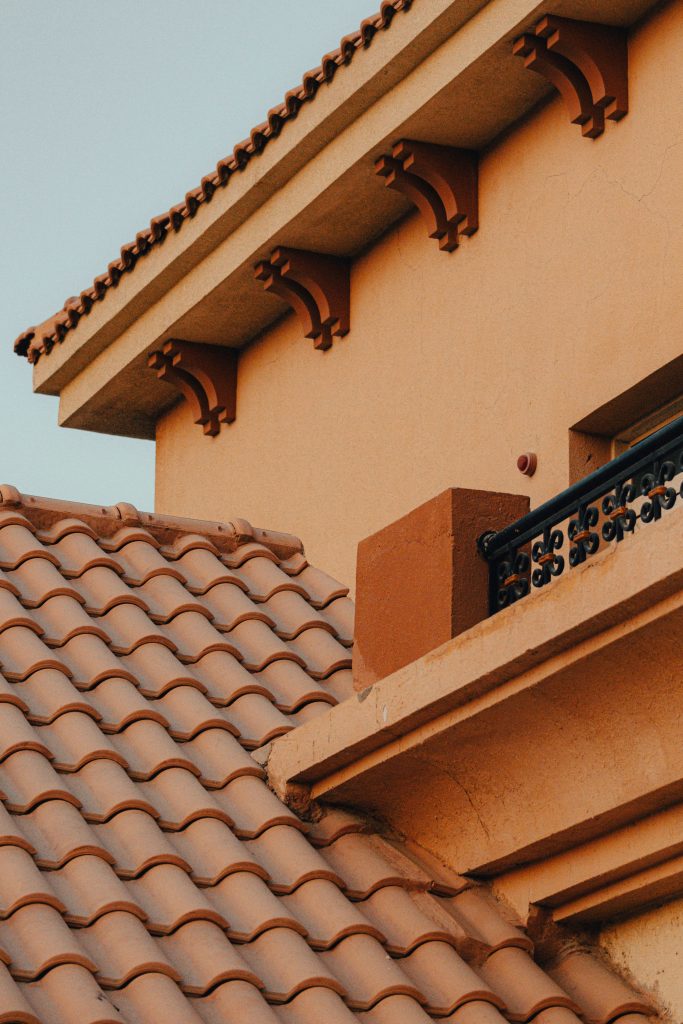
Replacement of tile roofs is one of the most common metal roofing projects we handle. After the existing tiles, battens, and sarking are stripped, the structure is inspected and any required repairs to battens, fascia boards, or structural timber are carried out before the new system goes on. New sarking and battens are installed to suit the metal profile, and the complete metal system is installed including new flashings and guttering where required. The weight reduction compared to the previous tile system is often a practical benefit that influences the decision. Our Roof Replacement page covers the full replacement process.
Re-sheeting existing metal roofs is applicable where the roof structure and battens are sound but the existing sheeting has reached the end of its useful life. Removing and replacing the sheets while retaining the existing structure reduces project cost compared to a full tear-off. We assess the existing structure as part of the quoting process to confirm whether re-sheeting is the right approach or whether a more complete replacement is warranted.
Throughout any installation project, we work to manufacturer specifications and relevant Australian Standards. Colorbond installations are carried out in accordance with BlueScope’s technical installation guidelines, which define the correct methods for each profile type and the product specifications appropriate for each corrosivity zone.
How does metal roofing compare to tiles for a Newcastle home?
Both are legitimate choices and the right answer depends on the specific property and the owner’s priorities. Metal roofing offers lower ongoing maintenance, superior performance in high-wind conditions, significant weight savings, and excellent coastal corrosion resistance when correctly specified. Tile roofing offers better thermal mass, superior acoustic performance in rain, and a traditional aesthetic that suits many Newcastle home styles. We are equally experienced with both and will give you an honest comparison for your specific situation rather than defaulting to one material. Our Tile Roofing page covers tile systems in detail for comparison.
Is metal roofing loud in rain?
This is the most common concern raised about metal roofing, and in practice it is less of an issue than most people expect on a correctly installed modern system. A Colorbond roof installed over quality reflective sarking with adequate ceiling insulation produces significantly less rain noise than older corrugated iron. The insulation in the ceiling cavity absorbs most of the sound transmitted through the roof structure, and the difference between a well-insulated metal roof and a tile roof is marginal in normal rain conditions. Heavier downpours are audible on any roof type.
How often does a metal roof need maintenance?
The main routine tasks are gutter and valley clearing, fastener inspection, and periodic checks of flashing sealants. For most Newcastle properties, an annual gutter clear and a professional inspection every two years is sufficient to keep a metal roof performing well. Properties near the coast or with heavy tree coverage benefit from more frequent attention. Our Roof Maintenance page covers what a maintenance visit involves.
What is the difference between Colorbond and Zincalume?
Colorbond is Zincalume steel with an additional baked-on paint finish applied over a primer and conversion layer. The Zincalume base provides the corrosion protection; the paint finish provides colour, UV resistance, and additional weather protection. In a residential roofing context, Colorbond is almost always the correct choice over bare Zincalume because the paint finish significantly extends the service life of the metal surface and provides the colour options that suit residential aesthetics.
Can a metal roof be installed over existing tiles?
In some cases, yes a process known as over-roofing, where a new metal roof is installed on a raised batten system above the existing tiles without removing them. This avoids the cost of tile removal and disposal. However, it adds roof height, creates complexity around flashings and eave lines, adds some combined load to the structure, and does not address any underlying structural issues that the tile removal would have revealed. It is not appropriate in all situations and should be assessed on a property-specific basis. We advise honestly on whether it is a practical option during the quoting process.
What warranty comes with a new Colorbond roof?
BlueScope provides manufacturer warranties of up to 36 years for the Colorbond steel substrate in standard residential applications, with separate warranty terms for the paint finish. Specific warranty periods vary depending on the product grade, the corrosivity zone classification of the site, and the installation type. Coastal properties specified with Colorbond Ultra carry their own warranty terms appropriate to the high-corrosivity environment. We provide full warranty documentation as part of the project handover on every installation.
Call Newcastle Tile and Metal Roofing on (02) 4071 6013 or visit our Contact Us page to arrange a free inspection and quote. We are available Monday to Sunday, 24 hours a day.
Opening Hours: Monday to Sunday – 24 hours