
A hot roof cavity can make an entire home uncomfortable. During Newcastle’s warmer months, heat can build up inside the roof space and gradually transfer into living areas below, increasing cooling costs and reducing indoor comfort. Moisture can also become trapped within poorly ventilated roof spaces, creating conditions that contribute to condensation, mould growth, and deterioration of roofing materials over time.
Newcastle Tile and Metal Roofing provides professional whirlybird installation throughout Newcastle and surrounding areas. Whirlybirds are a simple and effective form of passive roof ventilation that use natural wind movement and rising hot air to improve airflow inside the roof cavity without requiring electricity. When correctly positioned and installed, they help remove heat and moisture while supporting the long-term health of the roof structure. Call us on (02) 4071 6013 for a free quote or consultation, or continue reading to learn how whirlybird installation can benefit your property.
Whirlybirds, also known as rotary roof ventilators, are roof-mounted ventilation devices designed to extract hot and stale air from roof spaces. They operate through a combination of wind movement and thermal air circulation, creating a continuous airflow that helps improve roof ventilation throughout the year. Properly installed whirlybirds can assist with reducing heat build-up and improving overall roof-space ventilation.
As hot air naturally rises, it accumulates within the highest part of the roof cavity. A whirlybird positioned near the roof ridge provides an outlet for this trapped air, allowing it to escape while encouraging cooler air to enter through eaves and other ventilation points. This passive ventilation cycle can operate without electricity and requires minimal maintenance.
Metal roof installations commonly utilise purpose-designed bases that integrate beneath ridge caps and roofing profiles to maintain weatherproofing while allowing effective ventilation. Proper flashing and sealing are critical to prevent leaks and ensure long-term performance.
Tile roof installations require specialised flashing systems designed to suit the tile profile. The installation process varies depending on whether the roof uses concrete, terracotta, or other tile materials. Correct flashing integration is essential to maintain watertight performance.
Whirlybirds can be installed on both existing roofs and as part of larger roofing projects such as roof replacements, restorations, or ventilation upgrades.
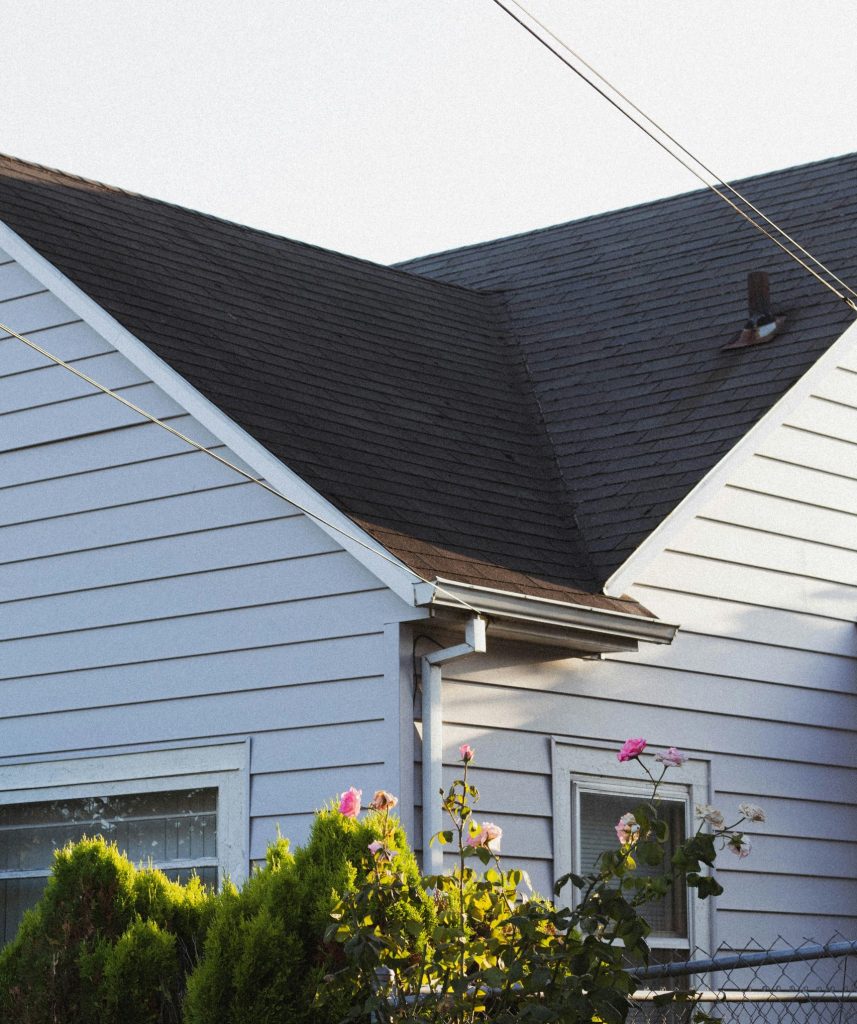

One of the main reasons homeowners choose whirlybirds is to reduce excessive roof-space temperatures. Roof cavities can become significantly hotter than external temperatures during summer, and this accumulated heat gradually transfers into living spaces below. Improved roof ventilation helps reduce this build-up and supports a more comfortable indoor environment.
Whirlybirds also assist with moisture management. Everyday household activities such as cooking, showering, and laundry generate moisture that can migrate into roof spaces. Without adequate ventilation, this moisture may contribute to condensation, mould growth, and deterioration of insulation and timber components. Proper ventilation helps remove humid air before these problems develop.
Additional advantages include:
Many Newcastle homeowners install whirlybirds during roof restoration projects because ventilation improvements can be completed at the same time as other roofing upgrades.
Newcastle experiences warm summers, coastal humidity, and periods of significant rainfall throughout the year. These conditions make effective roof ventilation particularly important for many residential properties.
During summer, dark roofing materials and prolonged sun exposure can generate substantial heat within roof spaces. Without ventilation, this heat remains trapped beneath the roof surface and can continue radiating into living areas well into the evening. Proper roof ventilation helps reduce this accumulation and improves airflow through the roof cavity.
Moisture management is equally important. Newcastle’s coastal environment exposes roofing systems to changing humidity levels, and adequate ventilation helps reduce condensation that can develop within enclosed roof spaces.
Correct placement is critical for achieving effective results. Whirlybirds are typically installed near the highest point of the roof where hot air naturally accumulates. Installation location, roof design, roof pitch, and available intake ventilation all influence overall performance. Industry guidance commonly recommends positioning whirlybirds close to the ridge line to maximise airflow efficiency.
The number of whirlybirds required varies depending on roof size, roof-space volume, and ventilation requirements. During an inspection, we assess the roof layout and recommend a suitable ventilation solution rather than relying on a one-size-fits-all approach.
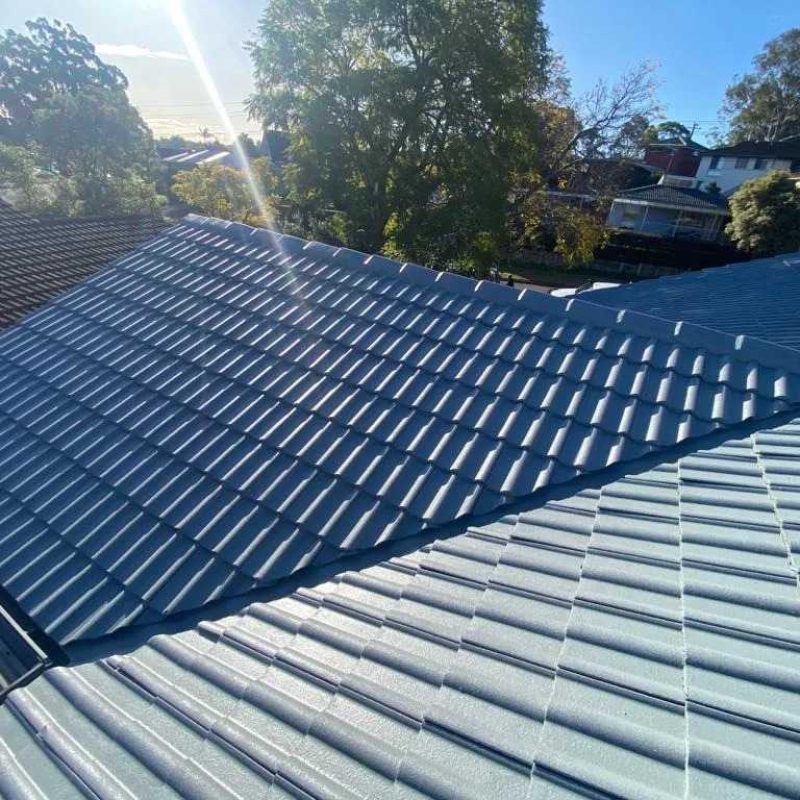
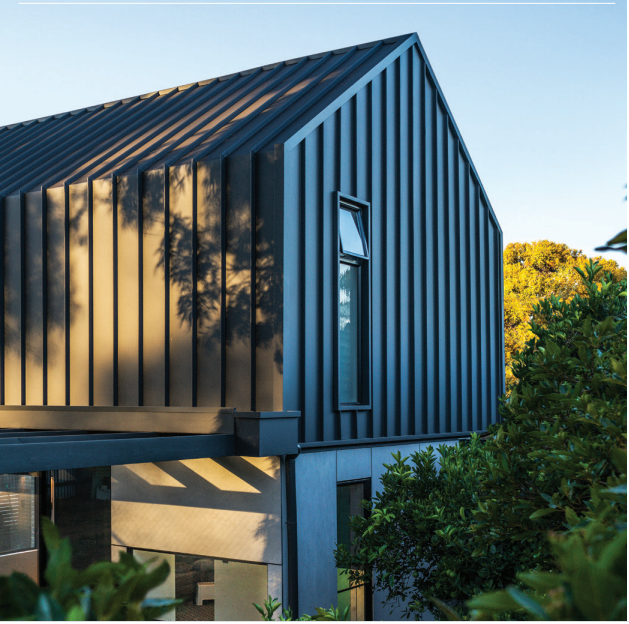
Professional whirlybird installation begins with an assessment of the roof structure, roof-space ventilation, and the most effective placement locations.
Roof inspection and planning. We inspect the existing roof system, roof cavity, ridge lines, and ventilation pathways to determine the optimal installation position and identify any roofing issues that should be addressed before installation.
Opening preparation. An opening is carefully formed in the roofing material at the designated location. The process differs between metal and tile roofing systems and must be completed without compromising surrounding roofing components.
Flashing installation. A purpose-designed flashing system is installed around the opening. Proper flashing is one of the most important aspects of the installation because it prevents water penetration and ensures long-term weatherproofing.
Whirlybird fitting and alignment. The ventilator is secured to the roof and adjusted to ensure smooth operation. The unit must remain stable, level, and correctly positioned to perform effectively and withstand weather conditions.
Final inspection. Once installation is complete, the roof is inspected to confirm secure fixing, correct flashing integration, and reliable weather protection.
Our team performs installations on both tile and metal roofs while ensuring all penetrations are properly sealed and integrated into the roofing system.
Do whirlybirds really work?
Whirlybirds help improve roof-space ventilation by allowing hot and stale air to escape from the roof cavity. While performance varies depending on roof design, ventilation pathways, and installation quality, they remain a widely used passive ventilation solution across Australian homes.
Can whirlybirds be installed on both tile and metal roofs?
Yes. Whirlybirds can be installed on concrete tile, terracotta tile, Colorbond, and other metal roofing systems. The flashing and installation method will vary depending on the roof type.
Will a whirlybird stop roof condensation?
Whirlybirds can assist with reducing moisture accumulation by improving airflow through the roof cavity. However, condensation issues often involve multiple factors, including insulation, ventilation pathways, and household moisture levels.
How many whirlybirds does a house need?
The required number depends on roof size, roof-space volume, roof design, and available intake ventilation. During our inspection, we assess the property and recommend an appropriate solution based on the specific roof structure.
Can whirlybirds leak?
A properly installed whirlybird should not leak. Most problems occur when flashing systems are incorrectly fitted or roof penetrations are poorly sealed. Professional installation focuses heavily on weatherproofing and flashing integration.
Can whirlybirds be installed during a roof restoration?
Absolutely. Many homeowners choose to install whirlybirds while undertaking a broader roofing project. Combining ventilation upgrades with a Roof Restoration or roof replacement often provides the most efficient outcome and minimises disruption.
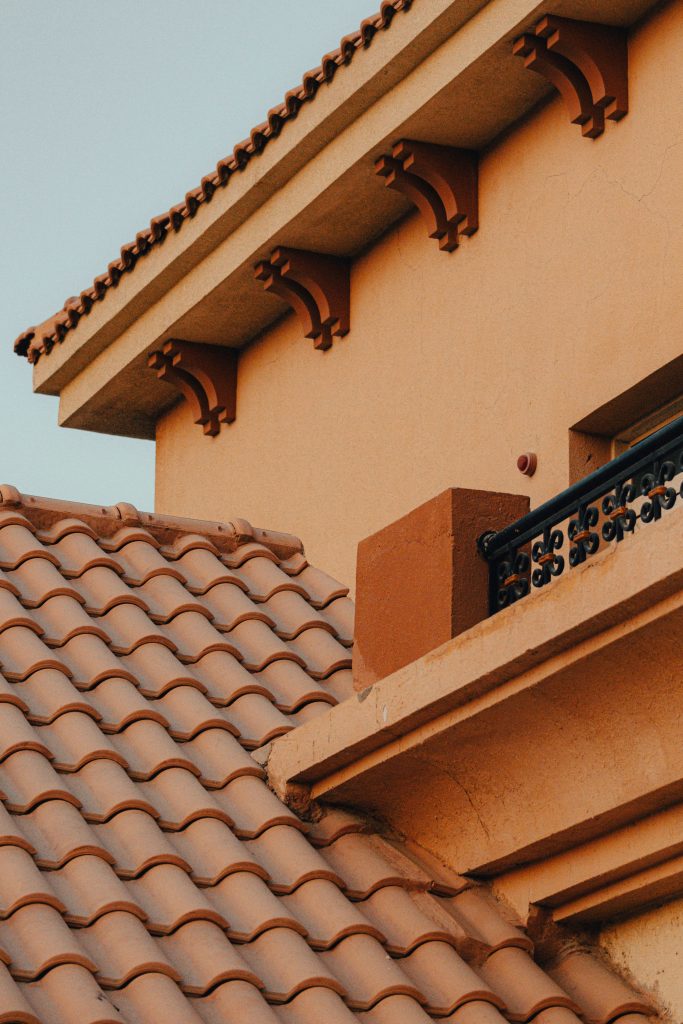
Call Newcastle Tile and Metal Roofing on (02) 4071 6013 or visit our Contact Us page to arrange a free inspection and quote. We provide roof ventilation solutions for tile and metal roofs across Newcastle and surrounding areas, available Monday to Sunday, 24 hours a day.

Opening Hours: Monday to Sunday – 24 hours